Beyond the Tangible: Floods and Invisible Losses in Mustang, Nepal
- Kunja ShresthaDetails
28 December 2025/१३ पुस २०८२ (आइतबार, दिउँसो ३ बजे)
Research Seminar Series
Beyond the Tangible: Floods and Invisible Losses in Mustang, Nepal
Kunja Shrestha, Researcher, Southasia Institute of Advanced Studies (SIAS)
Abstract
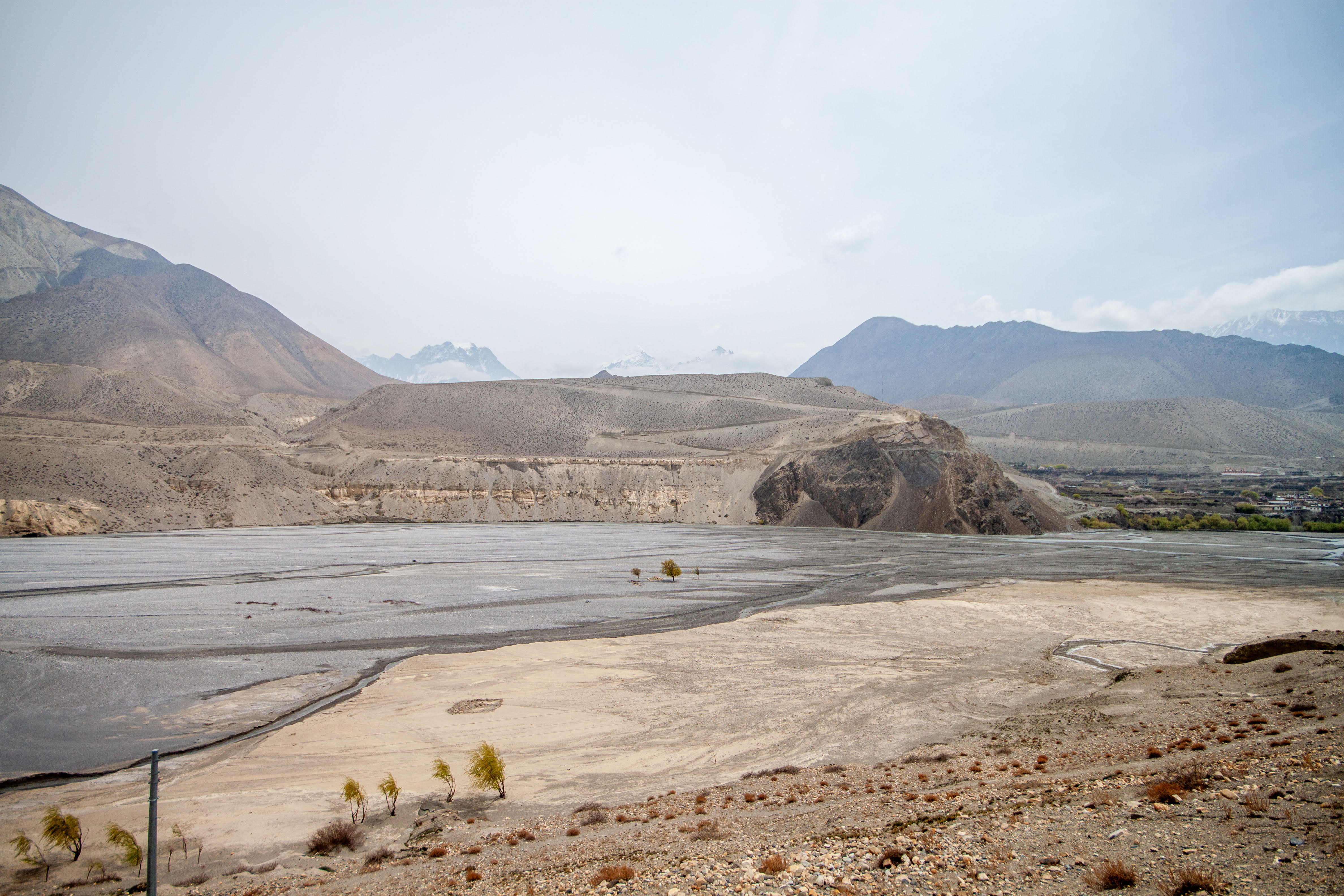
Conventional loss and damage frameworks remain limited in capturing grounded experiences of loss felt by communities, often overlooking the lived, intangible dimensions with deep psychosocial and cultural implications. While the term ‘non-economic’ has been emergent to convey such intangible aspects, invisible loss is a more suited concept as it refrains from market-based conceptualisations of loss (i.e., economic and non-economic) and is more attuned to the prevalent power dynamics vis-a-viz the notion of visibility. Taking a pluralistic value-based approach to reflect the multiple relational subjectivities of Himalayan communities, the study explores the concept of invisible loss in the context of floods in Mustang and identifies the trade-offs that people engage in to prevent intolerable loss. Comparative findings reveal how Lubrak, being an isolated settlement, experienced greater cultural losses while Kagbeni, influenced by tourism and modernisation, faced tensions between maintaining traditions and adapting socioeconomic changes. While this reflects a core-periphery dynamic, emotional losses, particularly a diminished sense of place and identity, were central across both communities. The presentation concludes with a reflection on the dilemma of quantifying such losses, particularly when equity and justice considerations in today’s context translates to delivering funds to the affected communities.
About the Speaker
Kunja Shrestha is a Researcher at the Southasia Institute of Advanced Studies (SIAS), Kathmandu working at the intersection of climate change, development, and social justice. He holds an MPhil in Environmental Change and Management from the University of Oxford, UK, and an MA in Natural Resources & Governance from the Tata Institute of Social Sciences, India. His work focuses on the experiences of climate change in the Himalayas, particularly how structural inequalities shaped by gender, culture, and power affect vulnerability, adaptation and loss. He has previously worked at the Blavatnik School of Government, University of Oxford and the Foundation for Ecological Security, India.