What Others Say
Since late 2023, we have asked various friends and colleagues to write short testimonies of how MC’s work has impacted their work and lives. We also asked them to reflect on the general importance of MC’s work for Nepal’s public sphere and the landscape of research and publications. Here are some excerpts from what some of them have said in their testimonies. These testimonies—the ones in English—have been previously published in various issues of the Chautari Quarterly Newsletter.
Chautari Researchers Undertake Quality Research – Pitamber Sharma
Chautari Researchers Undertake Quality Research – Pitamber Sharma
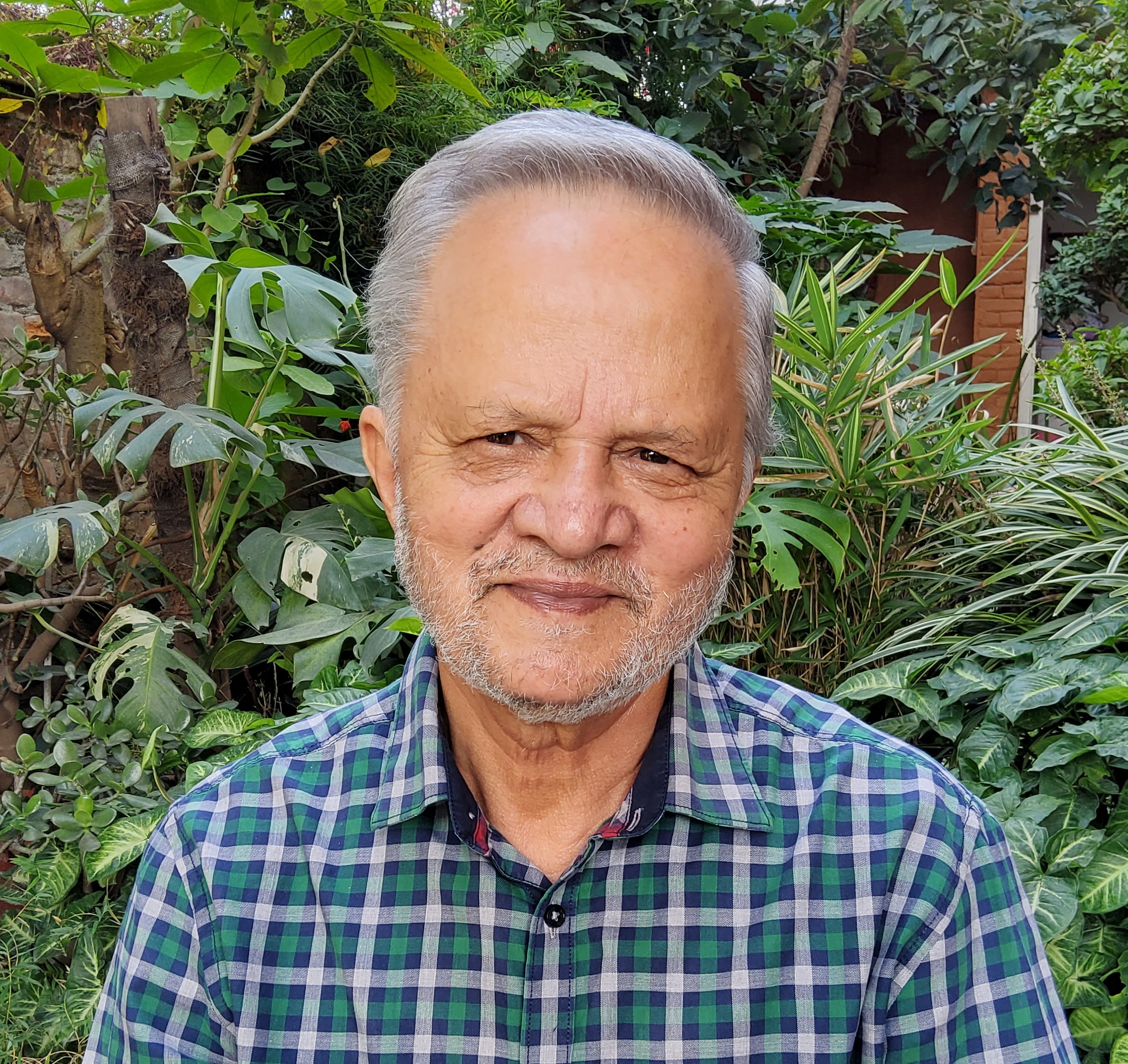 In a Nepali village a Chautari is a stepped platform built around a sacred leafy tree usually a pipal (ficus religiosa) or bar (ficus benghalensis). Here people congregate, interact, discuss, argue, and mostly share ideas on issues of relevance to the community, and occasionally arrive at a decision on some vexing question. In the process knowledge is generated, nurtured and disseminated. What is sacred is the community. Martin Chautari fits this role admirably in the rather sparse intellectual setting of the crowded and often chaotic capital city of Nepal.
As an occasional visitor and participant in the activities of Martin Chautari I always come back with enough food for thought. Every time I have participated I have benefitted immensely from the discussions on topics of contemporary social, economic, political or literary relevance led by some unassuming Pandit. To my knowledge this should be the oldest and the only regular platform for intellectual discussion of this type in Kathmandu.
Martin Chautari has a well-stocked public library on humanities and the social sciences which provides a mine for enthusiastic researchers. Chautari publishes two well-regarded and peer reviewed journals—Studies in Nepali History and Society (SINHAS), in English, and Samaj Adhyayan, in Nepali, regularly every year. SINHAS has completed 27 years of uninterrupted publication, a rare feat for an internationally known journal from Nepal.
On meagre resources Chautari researchers undertake quality research on contemporary issues mostly focusing on education, the media landscape, gender issues and marginalized communities. Chautari regularly organizes academic seminars, and also workshops, mostly for young researchers to hone their research and writing skills. It also publishes books based on own research or solicited from established researchers. In Nepali intellectual landscape Martin Chautari fills a void that our universities should have filled in, but sadly do not.
Pitamber Sharma
Former Professor of Geography, Tribhuvan University
Former Vice-Chair, National Planning Commission
An Intellectual Community for all Seekers – Surabhi Pudasaini
An Intellectual Community for all Seekers – Surabhi Pudasaini
 When I come into the Martin Chautari building, I often go from room to room, from the bottom floor to the roof, saying hello to everyone. It is a friendly place. I marvel always at how I move through this space. As much as it is a choice I make, my movements are propelled by the culture of openness which characterizes Chautari. It welcomes by design—through conversation, through simple furnishings, through invitations to eat together, through open doors and windows communicating a lack of barriers to movement.
The design of its space is representative of what Chautari offers in Kathmandu: an intellectual community for all seekers. Some 15 years ago, I was one such seeker. A young woman striving to make sense of the world around me. Eager to learn about as much as act and engage in the world through organizing, writing, reading, and conversation. The Chautari culture made it easy for me to seek out conversations there. To share what I aspired to. To ask for advice. I found friends, interlocutors, and mentors there. And I have considered myself a part of the Chautari community even since.
My engagements with and at Chautari have spanned over a decade. I have been a part of the programs they offered: reading seminars, writing workshops, discussion sessions. I have organized collaborative reading groups and discussion series through a feminist collective of which I was a member. I have written for Studies in Nepali History and Society (SINHAS). When I decided to apply to graduate school to study History some years ago, I turned to friends and mentors at Chautari. They opened up their networks, read applications, and offered enthusiastic congratulations when I got accepted into graduate school.
I have always felt bolstered and encouraged by my interactions at Chautari as I pursued my evolving political and intellectual commitments. I believe Chautari can continue to bolster and encourage, myself and others, for many years to come.
Surabhi Pudasaini
PhD candidate in history, University of Chicago
A “People Tree” – CK Lal
A “People Tree” – CK Lal
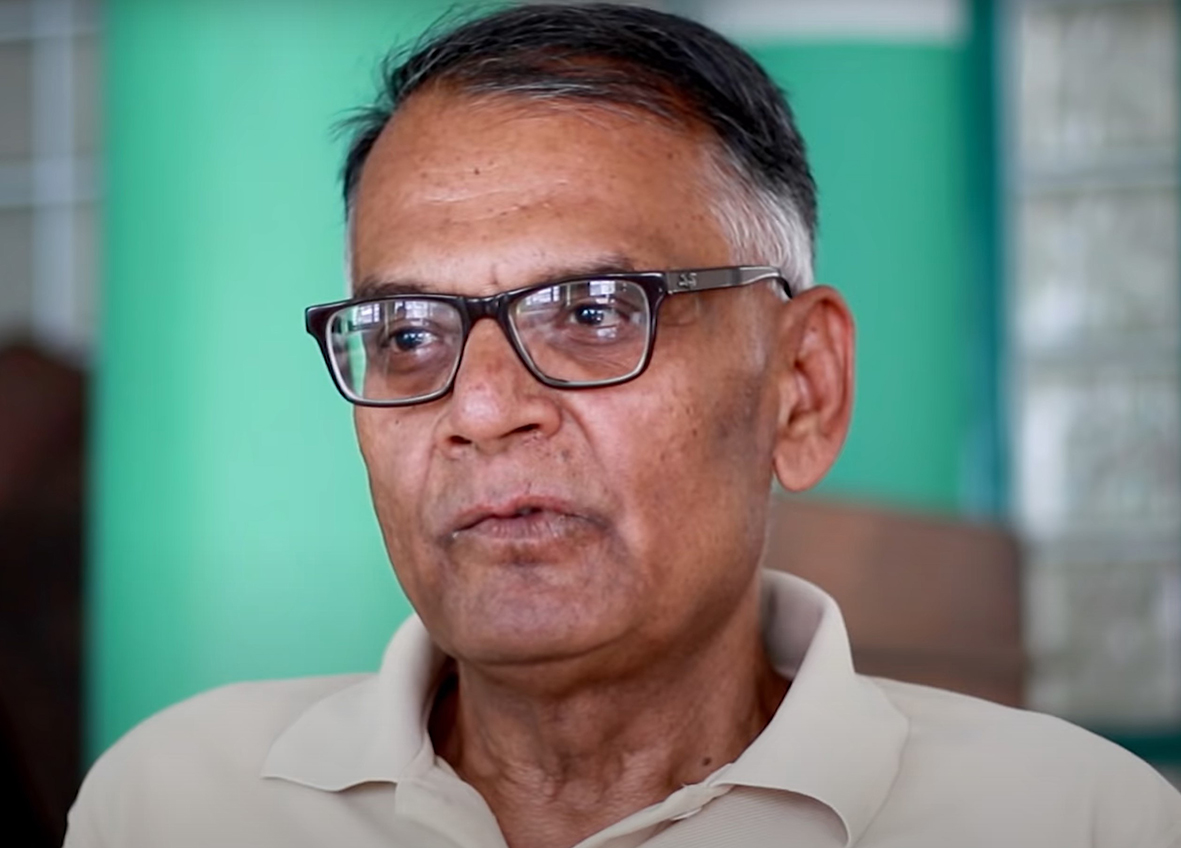 When I “discovered” Martin Chautari (MC) in the mid-1990s, it was a freewheeling forum of public conversations based on the ground floor of a nondescript building at Thapathali. The organization of discussions were completely casual. Information about the theme of the Mangalbare, named so because it was held on Tuesdays, was spread by the word of mouth. Interested participants gathered in the afternoon, chatted in the veranda till the predetermined time and then assembled in a room to listen to the main speaker of the day.
The format of deliberations too was simple: Everyone present introduced themselves, listened to the presenter and then shot questions or showered opinions until the closing time. On the way out, participants were free to contribute a small sum—usually 10 Rupees—to partially cover the cost of black tea and sweet cookies. It has been almost three decades, but Mangalbare remains the defining image of MC in my mind.
I listened to presentations about social, political and cultural issues. Some researchers talked about their work. A few experts dwelled upon vexing issues of democracy, development, civil society and international relations. In due course as a regular, I evolved from a listener to a speaker. Outside the circle of my friends and families, I made my first presentation about the travails of Madheshis in Nepal at one of the Mangalbares.
It was a place where civil-military relations could be discussed freely despite the presence of barely disguised operatives of intelligence agencies. It took a while, but MC was soon organizing issue-based seminars; publishing curated anthologies, meticulous bibliographies, edited volumes, original works and a peer-reviewed journal with an international cast of editors; running training and skill enhancement sessions for academics, journalists and researchers; putting out policy papers and monographs; and conducting outreach programs in different places of the country to disseminate knowledge that it had produced.
I have benefited immensely from participation in MC talks and seminars and from reading its various publications, particularly its two journals—Studies in Nepali History and Society and Samaj Adhyayan. My contribution has been rather modest: A few talks, some essays for its publications, a volume that I have called ‘think paper,’ and a few presentations during outreach programs.
These days, I often drop by at MC unannounced and have the privilege of learning from informal conversations with a group of dedicated researchers that are devoted to such an intellectual enterprise. Its library is well-stocked and boasts of some of the best works about media and society. The MC is more than a conventional think-tank; it’s a “people tree” that never sheds its leaves and offers shade to students and teachers of Nepali society with equanimity. It needs to be watered and nurtured for the good of us all.
CK Lal
Columnist, writer and public intellectual
A Vibrant Space for Civil Discourse – Amina Singh
A Vibrant Space for Civil Discourse – Amina Singh
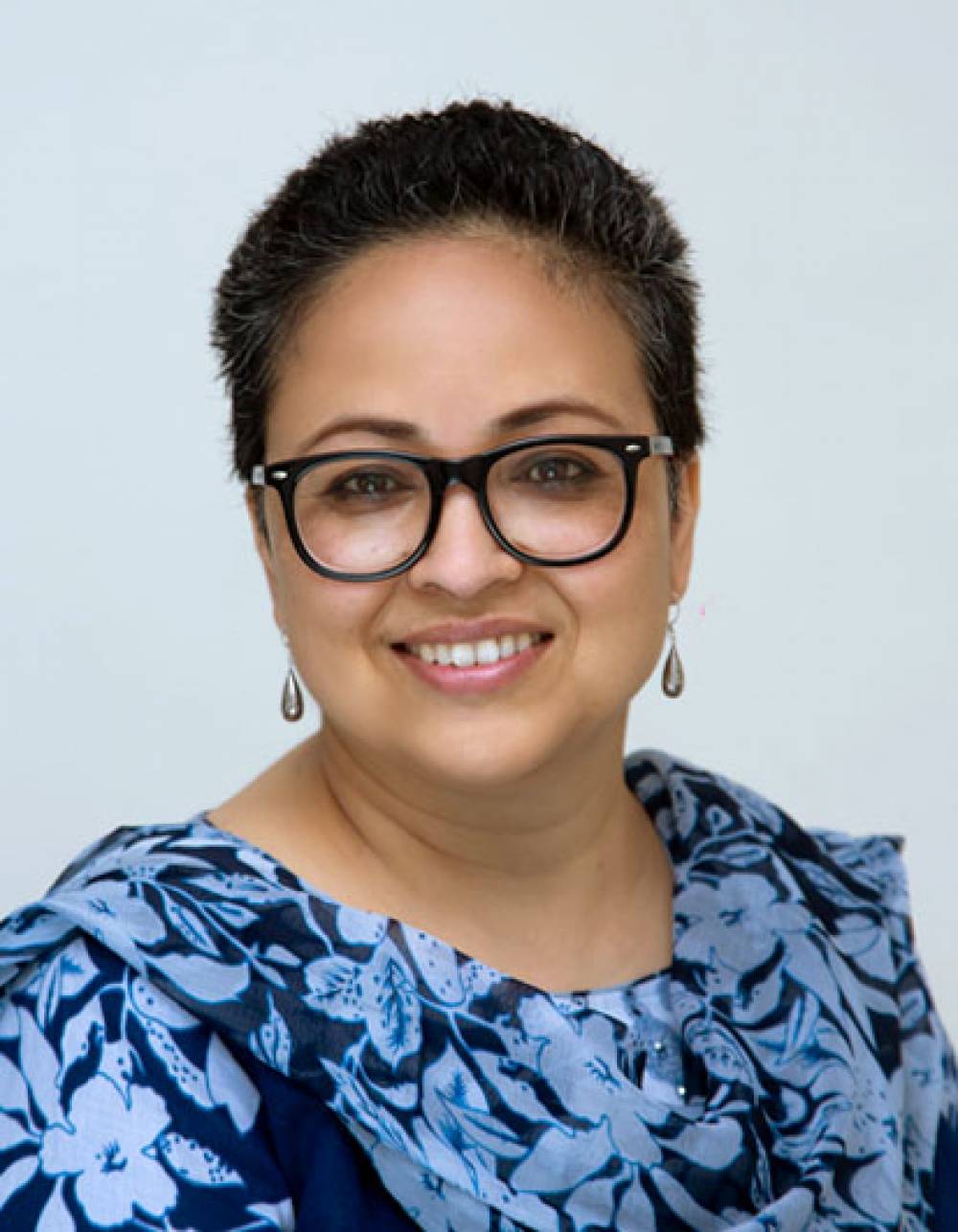 Having the space and vibrant practice of civil discourse is an important aspect of promoting pluralist democracy and more so in the context of a country like Nepal, given the recent transition to a federal mode of governance. Civil discourse requires particular processes and capacities; the space for civic gathering, exchanging ideas, experiences and information; the skills to listen, present informed arguments, debate and engage in dialogue, and generation of knowledge to determine course of action. Generally speaking, civil society institutions including academic institutions offer such spaces. However, given the lack of institutional building, political interference and limited capacities, many institutional spaces in Nepal do not afford such possibilities. In this context, I believe Martin Chautari has been offering such a space to some extent that has directly and indirectly benefited those that engage in the various activities organized in this space.
With the speedy access to information as well as misinformation in this digital age and the intensity of polarization of views and contested understandings of the world around us, the need to build the competencies for civil discourse is an important educational agenda for the Nepali society. For this, Martin Chautari’s regular sessions on diverse topics, workshops, reading seminars and annual conference provide that educational space for young people to engage and learn. For instance, the sessions on Sundays and Tuesdays offer the opportunity for a speaker to share their ideas on a particular topic and receive questions and comments. From what I have experienced, these sessions are often attended by a diverse group of individuals from retired senior individuals to young university students to professionals in the related fields.
An important contribution of Martin Chautari, in my opinion, are the publications. As someone involved in the sector of Education, I have found the various publications, including academic papers in the journal SINHAS, the policy briefs and the books published examining and exploring various aspect of the state of education and educational governance in Nepal extremely useful. I have used these resources in my own work in writing but have also included them in the syllabus of courses and workshops I have conducted. The significance here is getting reliable well researched resource materials that is local and contextualized. For instance, I recently used Chautari’s Policy Brief No. 38—Kina Banena (Sanghiya) Shiksha Ain? that explores the reasons behind the delays in formulating the federal act on education in Nepal—in a forum of young educators as reference material to inform their debate and discussion on the issue.
Amina Singh
Member, University of Nepal Board and Visiting Faculty, Kathmandu University School of Arts
A Productive Platform for Social Research – Chaitanya Mishra
A Productive Platform for Social Research – Chaitanya Mishra
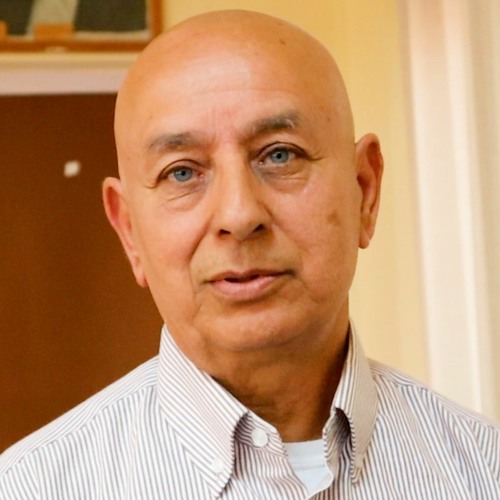 I know Martin Chautari, foremost, as a productive, well respected and vibrant platform for social research. It also functions as a center for policy research. Chautari’s research outputs, which are published in the form of books, articles, reports, and policy briefs are read and utilized by academics and policy makers within and outside of Nepal.
I also read regularly the two refereed journals that Chautari researchers edit, one of which is also published by the organization. One comes out in the English language (SINHAS) and the other in the Nepali language (Samaj Adhyayan). I know well that the senior members of Chautari put in a lot of effort in editing these journals. I also know that both the journals have a sizable readership. Chautari’s library, which is also open to non-Chautari members, has remained a useful resource utilized by many researchers.
Chautari continues to remain a busy platform for workshops and conferences. I have often found the Chautari grounds and corridors humming with weekly—sometimes twice-weekly—seminars conducted principally by young and aspiring intellectuals, media persons, activists, etc. In addition, Chautari also conducts an annual conference as well as periodic workshops that also mostly engage young intellectuals and other professionals as well as social activists. Several of the young persons are now established professionals in their respective fields. This long standing and sizable engagement of the young in intellectual and social justice fronts may well, in the long run, turn out to be the most important of Chautari’s contributions.
In closing, I must also note that Chautari is unique in that it is a private non-profit social research institution devoted to the exploration and examination of public institutions and processes. It deserves our support.
Chaitanya Mishra
Professor of Sociology (Retired), Tribhuvan University
A Generous and Intellectually Rigorous Environment – Amy Johnson
A Generous and Intellectually Rigorous Environment – Amy Johnson

As a college student and neophyte Nepal Studies researcher living in Kathmandu at the end of the aughts, there were few places in the city more exciting to me than Martin Chautari. My younger self remembers well the thrill of attending afternoon research seminars in the meeting hall at Chautari. I knew few people in Kathmandu in those days. But on Sundays, I would sit on a chakati side by side with scholars and with eager students waiting my turn to introduce myself to the audience gathered to hear the latest and best in research about Nepali society and history. It was in the meeting hall at Chautari that I was socialized into the academic life of Kathmandu, learning how to listen, observe, and dive into the rapid-fire question and response generated by stimulating seminar discussions. Afterward, tea kept the conversation going, providing opportunities to exchange knowledge and build relationships across institutions and countries. The connections I made with researchers and members of Chautari continue to be important to me and have shaped my growth as a scholar. I am ever grateful for the community Martin Chautari has built for researchers devoted to Nepal Studies.
The generous and intellectually rigorous environment at Chautari has supported me in my academic journey from graduate student to early career scholar. I considered it a great privilege to have published my first single-authored paper with Martin Chautari’s flagship journal Studies in Nepali History and Society (SINHAS). The editorial team at SINHAS guided me through the entire publication process. This began with facilitating the sharing of the paper’s ideas with the Chautari community. In June 2022, I gave my first presentation at the Research Seminar Series organized by Chautari. The quality of feedback I received on that occasion sharpened the paper’s arguments and deepened its historical context, resulting in a stronger manuscript. During peer review and proof-reading stages, the editorial team was in regular communication and maintained transparency about all editing decisions.
I was especially grateful to have the unprecedented opportunity to sit with the editor to go over figures and spellings in my article. I was able to move through the publication process with confidence (and a lot less anxiety) thanks to the hands-on editorial team at SINHAS. Later, my SINHAS article was selected for publication in an edited volume in the Chautari Book Series. This was again an enjoyable process with high transparency and clear communication throughout. Based on my experience, I believe anyone, but especially graduate students and early career scholars, would benefit from publishing with Martin Chautari—for insight into the publication process and, as importantly, for the development of their writing and arguments.
Amy Johnson
Assistant Professor, Georgia College & State University
A World-Class Institution in the Heart of Kathmandu – Amish Raj Mulmi
A World-Class Institution in the Heart of Kathmandu – Amish Raj Mulmi
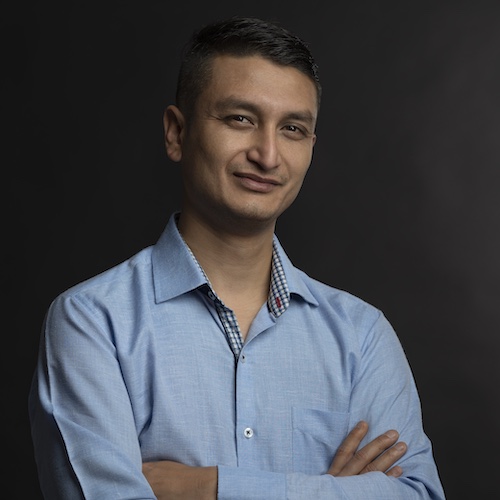 Very few institutions in Nepal have produced a body of work with the longevity and impact that Martin Chautari has. Martin Chautari’s research into the social sciences has revealed new facets of Nepal to a new generation of writers, scholars and researchers. Its multidisciplinary approach has always been particularly notable, as has its publications, especially the SINHAS journal, which has sustained itself for a long time despite the hardships the organization has faced. Its forays into academic publishing brings a new degree of editorial excellence to Nepali academic publishing that we rarely see, especially its efforts to bring out low-priced Nepali editions of works that are important and relevant to the Nepali reading public. Its endeavors to disseminate knowledge through its weekly seminars—which are notably free to the public—is another aspect that makes Martin Chautari a world-class institution in the heart of Kathmandu, Nepal. For an independent researcher such as me, its free library is a treasure trove, one which allows scholars to access the best of world knowledge. I am in awe of the collective strength and determination that Martin Chautari’s scholars and team demonstrate, challenging as funding for the social sciences is, in continuing their monumental efforts towards shaping and nurturing new scholars and researchers.
Amish Raj Mulmi
Author of All Roads Lead North: Nepal’s Turn to China (2021)
An Opportunity to be Engaged in Rigorous Yet Thoughtful Academic Research and Learnings – Meeta S. Pradhan
An Opportunity to be Engaged in Rigorous Yet Thoughtful Academic Research and Learnings – Meeta S. Pradhan
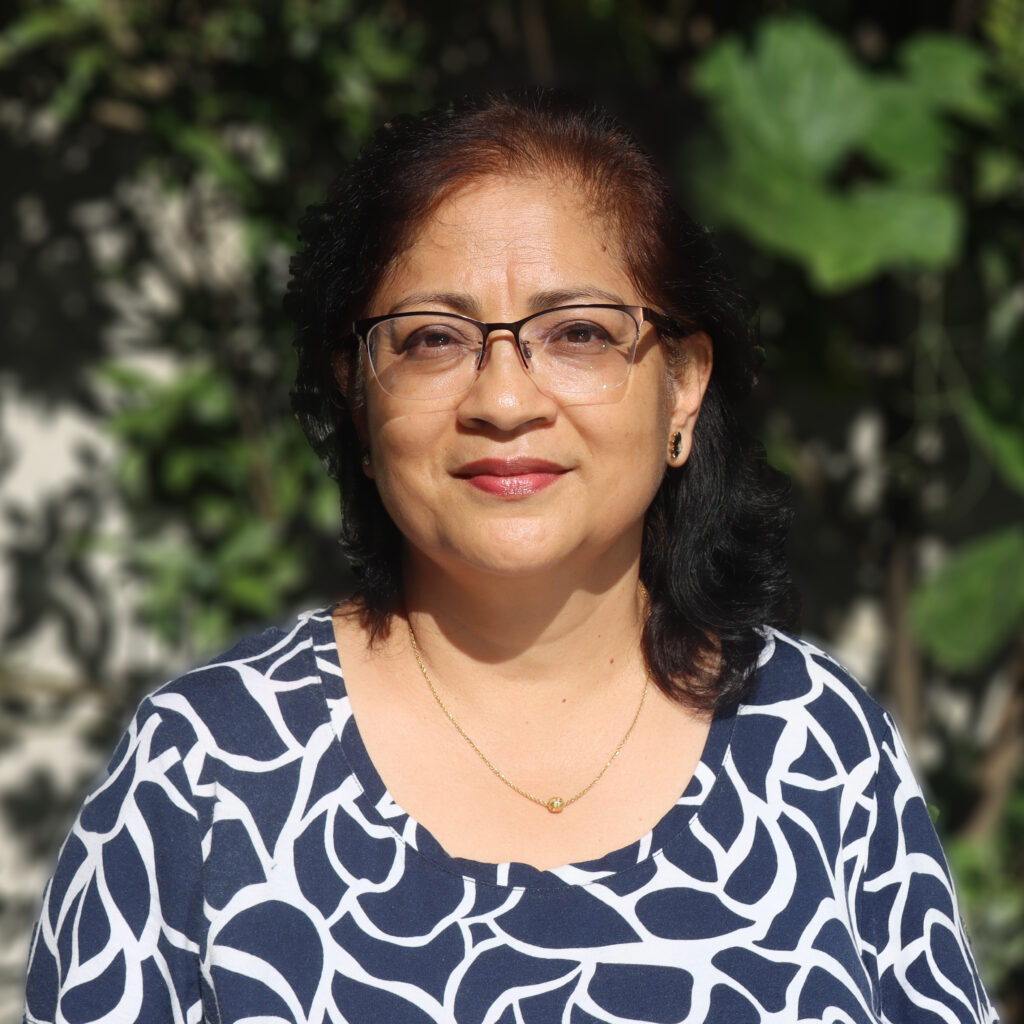 I remember attending a couple of the “development discussions” in the early 1990s, at the offices of the Intermediate Technology Development Group in Kamaladi, Kathmandu. I had just returned to Nepal after getting my master’s degree, had joined my first job as a development professional, and was waiting to head off to Sankhuwasabha. It was exciting and inspiring to sit around with other development professionals, some who clearly had a lot of experience and interesting insights gained through their work. That was the beginning of the Mangalbare Discussion Series, which eventually evolved into much more than just developmental and academic discussions; it became the foundation for a research-oriented organization—Martin Chautari—probably the first of its kind in Nepal.
I went back to make my first ever presentation at Martin Chautari in 2013, then again in 2021 and yet once again in 2023. These were opportunities for me to share my research findings, my learnings, and my experiences that were at the cusp of development practices and academia. After the first few daunting minutes, those sessions became very interesting. There were always a good group of people who would listen respectfully and then throw out some challenging questions. I mostly focused on the “younger” ones—the students, researchers and scholars—and felt grateful for the opportunity not just to share my own learnings, but that there was a relatively safe space for young minds to listen, process, question, discuss and digest (or not!).
The journal of Martin Chautari—Studies in Nepali History and Society—is a result of hard work, dedication and commitment of many scholars in Nepal and beyond. The journal has been able to maintain its rigor and high quality, and interdisciplinary scholars in Nepal and other countries have made their contributions. I had an opportunity to submit one of my articles as well; it went through the rigors of being peer-reviewed and revised, and finally published in 2015. I have also had opportunities to review papers and to write a book review.
The opportunity to be engaged in rigorous yet thoughtful academic research and learnings, to be able to listen to a wide variety of research topics, participate in diverse discourses and discussions presented and moderated by youthful (and seasoned) minds has been a tremendous contribution of Martin Chautari over all these years. There is a continued need for this kind of impact to scale up and scale out in the country—even more so in the present context where the state of pedagogy, critical thinking and compelling writing needs to be improved many folds in Nepal.
Dr Meeta S. Pradhan
Senior Research Fellow, Southasia Institute for Advanced Studies (SIAS)
Chautari brings Foreign and Nepali Researchers into a Conversation – Michael Hutt
Chautari brings Foreign and Nepali Researchers into a Conversation – Michael Hutt
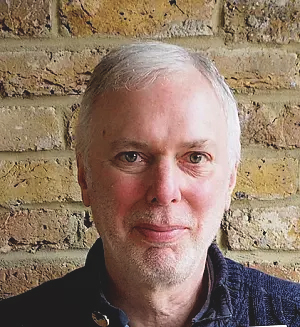 Martin Chautari provides a space for the presentation and discussion of research findings and ideas that is open, democratic, non-hierarchical, and accessible by all. This space is populated by academics, activists, journalists and interested members of the public and serves as an important interface between Nepali and non-Nepali researchers who are working on Nepali topics and issues.
Martin Chautari has generated impacts in many different contexts and in all sorts of ways, but there are two that loom largest in my mind.
The first is the way in which it has brought foreign and Nepali researchers into a conversation with one another. Nepal has always attracted more than its share of academic researchers from the Global North. Prior to the 1990s, most of the research that was done on Nepali society was conducted by people (anthropologists, mainly) who were not themselves Nepali, and published in non-Nepali languages (primarily English) outside Nepal. Many of these foreign researchers were alarmed at first when the local researchers nurtured and supported by Martin Chautari began to challenge and criticize their work. Thus began a dialogue that has led over the years to the development of an environment where mutual respect prevails. Nowadays the works of Nepali and foreign researchers sit comfortably side by side in MC’s highly respected house journal, Studies in Nepali History and Society.
The second area of impact is the research generated and published by Martin Chautari itself, in both English and Nepali. This has evolved and changed over the years as a response to both challenges and opportunities, and has resulted in important bodies of published work in thematic areas such as the Nepali media and Nepali education. MC’s fostering of and support for research-based writing and publication in Nepali as well as English plays a vital role in a context where the English language is becoming ever more dominant.
Michael Hutt
Emeritus Professor of Nepali and Himalayan Studies, SOAS, University of London
Martin Chautari’s Work Speaks to Larger Democratic Values – Amrita Gurung
Martin Chautari’s Work Speaks to Larger Democratic Values – Amrita Gurung
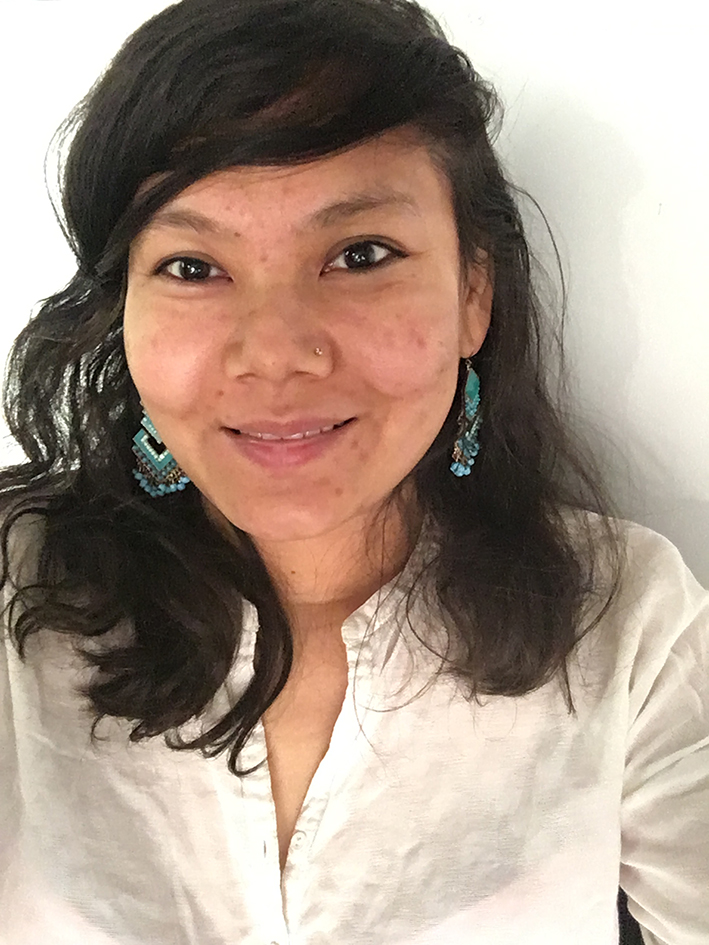 Martin Chautari’s work has helped shape my knowledge and skills in three main ways. First, I took part in an annual academic writing workshop in 2018 whose purpose was to help students and academics to revise a paper as a stand-alone journal article or book chapter. We were a small cohort of young researchers like myself and our mentors included Bandana Gyawali, Pratyoush Onta, and Mahesh Raj Maharjan. They provided us with commentary on our drafts of writing each week. In addition to their comments, we were also active in providing written commentary on each other’s work. Sometimes harsh and other times gentle, I found the approach of mentorship productive in two main ways. One, they provided constructive feedback to overcome the challenges of writing and rewriting, and two to write concisely and clearly to find our voice. In sum, it enabled me to write in a way that resonated with my own lived experiences and realities with an emphasis on empirical evidence. This allowed me to rethink challenges in writing by not only giving me valuable tools and mindset toward my writing but also made me appreciate the value of working in a cohort which is fundamental to any successful academic work.
Second, I got an opportunity to work closely with Pratyoush Onta who is the editor of the SINHAS journal in writing and editing book review in 2022. In my experience, this is one of the most productive works that I have done in the recent past and that I am proud of. Pratyoush ji would read my draft of the book review and send it back with comments at the end of the day in Nepal, I would typically receive it in the morning here in Canada, and then I would work on it and send it back before going to bed. The next morning I would wake up to find his email with many helpful and constructive comments to work on. My book review was finalized after three rounds of back and forth and the process entailed a lot of thinking, organizing, and developing a narrative. It was difficult for me to write but as I began to write and work on comments, I found myself becoming immersed in the process and enjoying it.
Although I had agreed to write this review in 2019, I was only able to start and finish it in 2022. In this duration of three plus years, I had given up on it many times but had always carried the book with me everywhere I went in the hope of at least starting the review. All this to say, challenges in writing are not as scary as we think it is provided that we have hands-on and encouraging mentors who can help us see through the pains of writing and find clarity and voice in writing. Of course, having finished the review, I felt more confident and reassured about my relationship with academia and writing in general. Since then even though I struggle to write clearly, I have continued to write for several platforms.
Finally, as a deterritorialized international student, I make sure to log in to Martin Chautari’s Facebook/YouTube videos and listen to programs held at Chautari to catch up on what is happening and what works are being done in Nepal and by whom. I feel connected when I do take time and listen to or watch these events on YouTube or Facebook or just read new publications. To sum up, Martin Chautari’s work in terms of providing a platform and mentorship to not only aspiring but also established social scientists to come together and guffgaaf speaks to larger democratic values and free speech we all hold as part of a republic.
Many thanks for all the work and support.
Amrita Gurung
PhD student, Concordia University, Canada
A Place of Knowledge Production and Dissemination for the Common Person – Dr Anup Subedee
A Place of Knowledge Production and Dissemination for the Common Person – Dr Anup Subedee
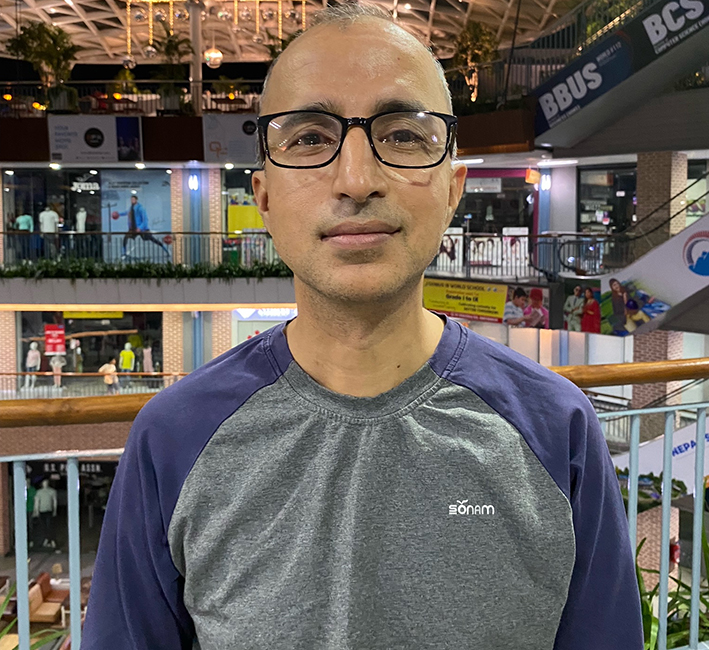 I have been visiting Martin Chautari since the mid-1990s. I think I had just finished high school when I first went there and attended the discussions. Soon afterwards, I went to China for medical school and I would make sure to attend a discussion there whenever I was back for holidays. The topics of discussions held there were themselves often “controversial” or at least novel for the times, or for those of us who had just been waking up from the Panchayat era restrictions on media autonomy and discussions on public fora. However, looking back, I feel I was more drawn to that place because of the ease of access an outsider was offered to the speakers or the discussions.
The sitting arrangements were simple yet equalizing and comforting to strangers—everyone, including the speakers and the Martin Chautari moderators, sat cross-legged or with legs stretched flat on thin cushions on the floor. Anyone visiting there for the first time would not miss the simplicity and straightforwardness of the arrangements including the manner how discussions were held—which was not common at that time, or even now on most fora, in Nepal. Martin Chautari was at the forefront of a small movement spearheading open public discussions on very important topics that had previously been sidelined in the Panchayat era.
Before and during the second people’s movement, Chautari was the focal location for collective civic imaginations and solidarity for the civil society that led the mass movement. Since then, over almost the last two decades, Martin Chautari has grown tremendously, and has played a crucial role in shaping the national conversations on so many areas that had long been historically necessary. However, what still impresses me the most is that this is still a people’s forum for research and public conversations, unlike so many other research entities or public discussion for a most of which are far better funded and politically buttressed compared to Martin Chautari.
Where do students in the universities of Nepal, who have been frustrated with the lack of academic explorations and research opportunities in their own universities or academic programs, go for opportunities to learn about research? Where does an average person who is interested in the past and the present and the future of Nepal feel they can go to listen to experts on various topics and learn to frame the right questions when they question the authorities? Which research organization provides better coverage for matters of vital interest to the marginalized communities? Martin Chautari is probably the only answer to this question. Do common people feel comfortable going to the other NGOs that specialize in churning out nice, glossy reports for critical questions in their mind? Do such other NGOs make their reports available in such accessible ways for the public? Unfortunately, there are not many true friends of the marginalized communities in the research circles in my opinion. Nor would an average postgraduate student at a public university in Nepal feel comfortable dropping in at any other research organization and feel welcome there. Martin Chautari is definitely a place of knowledge production and dissemination for the common man, unlike most peer entities in this country.
Dr Anup Subedee
Physician, Kathmandu
Chautari Embodies a Creative Academic Model for Researching the Social Sciences – James Sharrock
Chautari Embodies a Creative Academic Model for Researching the Social Sciences – James Sharrock
 From my 18-year engagement with Martin Chautari the biggest impact of MC has been in three areas: performing a rigorous “challenge” function in debates and research on Nepal; embodying an alternative and creative academic model for researching the social sciences; and, simultaneously, generating and facilitating new and exciting research directions in the study of Nepal.
I attended my first Chautari seminar in 2006 and ever since then MC has been the main institution through which I have learnt about Nepali society, culture and politics. This learning has come in attending MC seminars and conferences; reading MC books, policy papers, and journals; using the MC library; reading newspaper op-eds written by MC-affiliated researchers; and meeting foreign and Nepali social scientists through MC-organized events. In practical terms I have quoted MC publications in every report and article that I have written on Nepal including reports for international donors and UN agencies on conflict and peace issues as well as on post-earthquake reconstruction.
But the MC impact on my work goes beyond referencing metrics. As a very junior scholar doing a master’s degree in 2006 I was encouraged to write my first ever academic article with the support and advice of MC social scientists. The article was subsequently peer-reviewed and published a year later in Studies in Nepali History and Society journal, where I have also published another article and seven book reviews. I have presented twice at MC and received invaluable constructive and supportive feedback both times.
I also think of particular books and articles published by MC which have transformed my understanding of Nepal and influenced my own research, illustrating new directions and inspiring examples. Among many examples this includes the MC-published book Discourses of Awareness: Development, Social Movements and the Practices of Freedom in Nepal (2013) by Tatsuro Fujikura, Seira Tamang’s SINHAS article “Civilizing Civil Society,” (2002) and Mary Des Chene’s article in the same journal, “‘We Women Must Try to Live’: The Saga of Bhauju” (1997).
Other less obvious MC impacts that have benefited me: the library is well stocked, well used, and performs a vital function for people without a large personal library; many MC books in Nepali are fun language learning tools for foreigners studying Nepali [e.g., the 2005 book Radiosanga Hurkada: Tinpuste Nepaliko Anubhav (Growing up with Radio: The Experience of Three Generations of Nepalis)—a set of short personal stories about the place of radio in people’s lives].
James Sharrock
PhD Candidate, The Open University, UK
Truly Unique Forum – Tatsuro Fujikura
Truly Unique Forum – Tatsuro Fujikura
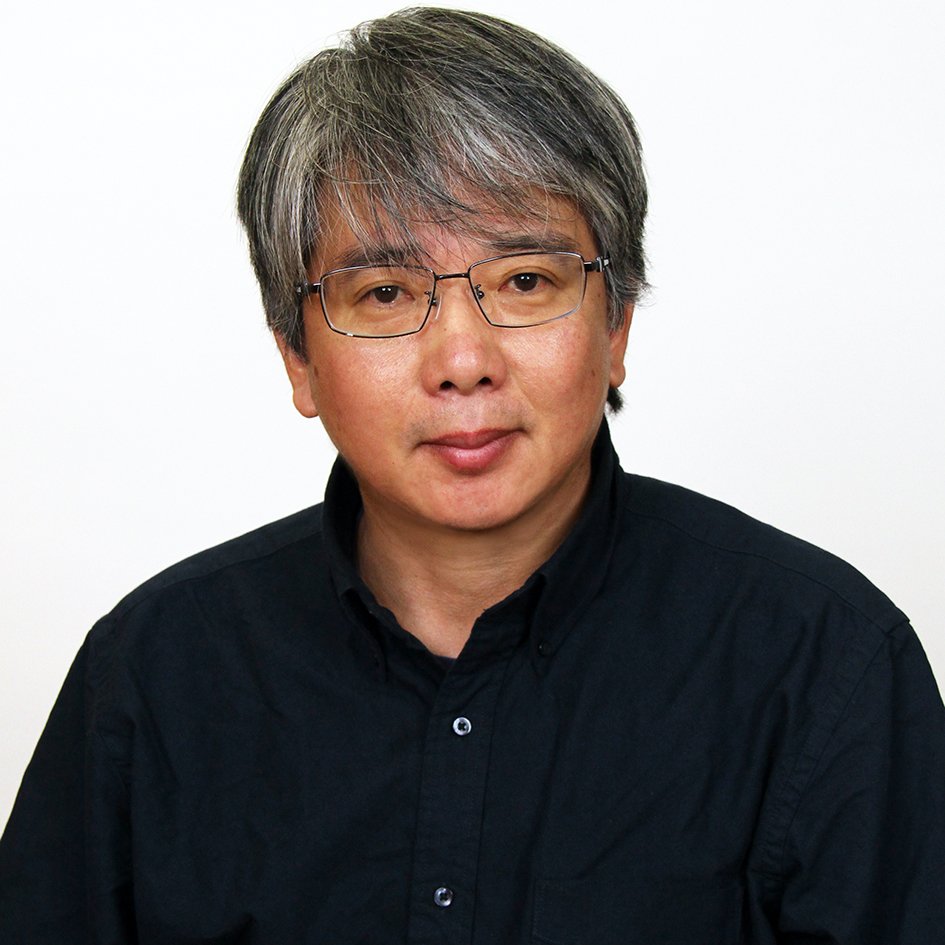 I lived in Nepal from 1996 to 1999, the summer of 2000, and from 2003 to 2005, while doing anthropological research for my PhD. Although my main fieldwork site was in the mid-western hills, whenever I was in Kathmandu, I attended Tuesday discussions at Martin Chautari (later not only limited to Tuesdays). I attended because it was a truly unique forum where people from diverse professional and disciplinary backgrounds engaged in serious and civil discussions about important contemporary concerns of the Nepali society. It was unlike any events organized by NGOs, because it was free from donor influence and any (hidden) agenda to guide the whole discussion towards certain direction. It was also unlike any events organized by academic societies and institutions inside or outside Nepal. Because the participants included non-academics from diverse backgrounds, it always went beyond parochial concerns of any academic disciplines and engaged with complex realities of Nepal in ways that any academic conferences I attended could not. Public discussions at Martin Chautari continued during the height of civil conflict, despite the declaration of emergency. During that difficult time, it remained a resilient place for civil discussion participated in by people of different political and ideological orientations, including liberals and radical leftists.
Martin Chautari has made and continues to make invaluable impacts on the academic studies of Nepal, in the fields of humanities and social sciences. Studies in Nepali History and Society, which is in its 29th year of uninterrupted publication, is indisputably the best journal of Nepal Studies in the world. Chautari’s another journal, Samaj Adhyayan is a vehicle for publishing high-quality academic articles in Nepali. The standards and qualities of the articles published in these journals are much better than some of the articles published in major, “high-impact,” international journals, such as American Ethnologist, whose submissions are sometimes peer-reviewed by those who do not know much about Nepal. The same goes for books published by Martin Chautari, in comparison to those by academic publishing houses abroad that are often produced by those who lack sufficient knowledge about Nepal or Nepali language.
By involving young students in its discussion and research projects, Martin Chautari is helping to train and produce new generations of competent, critical and public minded intellectuals. In these ways, Martin Chautari is performing invaluable and indispensable role in advancing knowledge and democracy in Nepal.
Tatsuro Fujikura
Professor, Graduate School of Asian and African Area Studies, Kyoto University, Japan
A Resourceful and Vibrant Space – Kalpana Jha
A Resourceful and Vibrant Space – Kalpana Jha
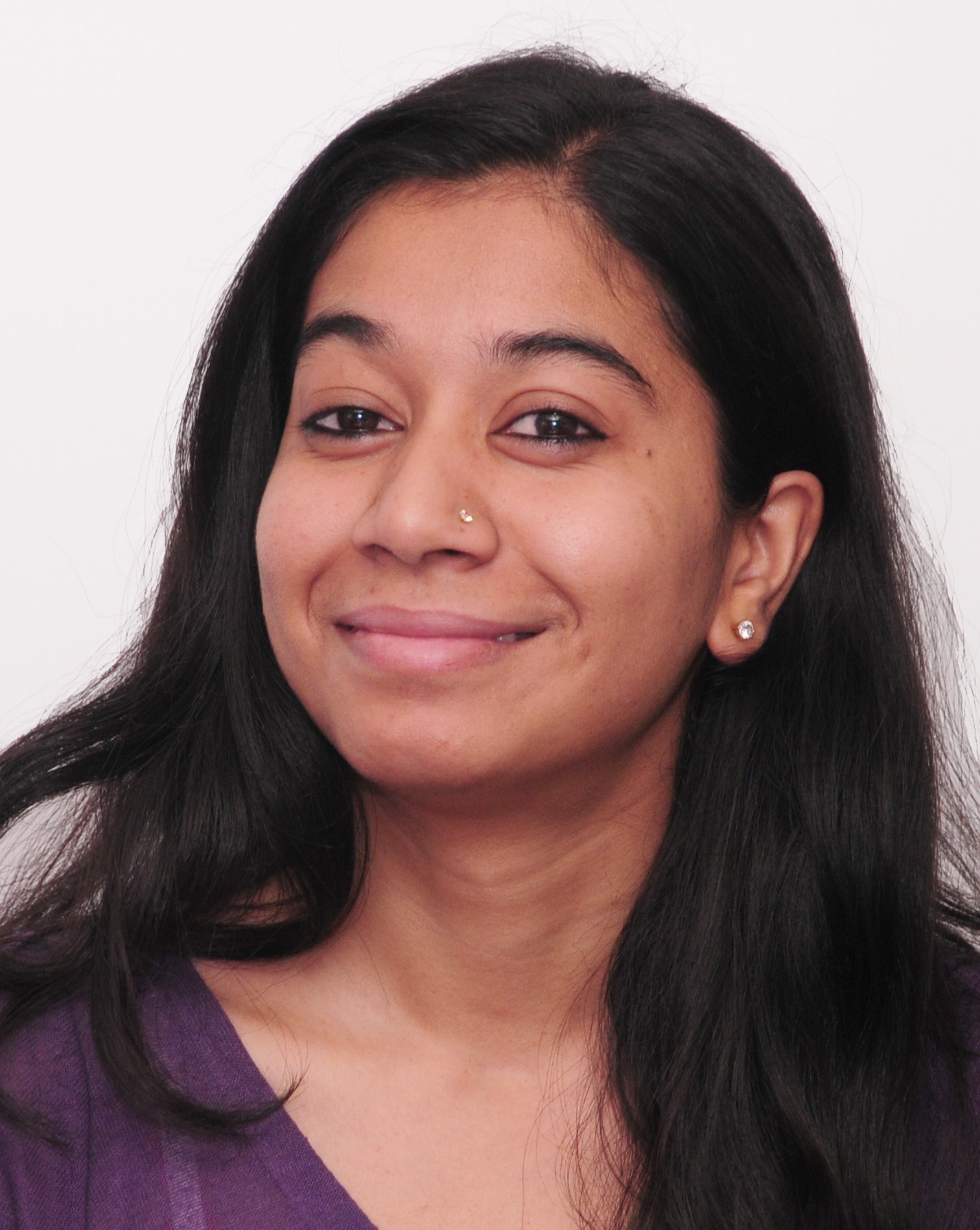 I have been a regular attendee and participant of the seminars, conferences and workshops held at Martin Chautari since 2007 until date. I have also formally worked as a researcher in Martin Chautari between 2017 and 2018. Within this span of 17 years I have not only found Chautari to be resourceful in terms of its publications but also the public discussions held on a regular basis. These discussions make Chautari a vibrant space to engage with various civil society actors, individuals, change-makers, intellectuals and activists and build networks with people from diverse field across Nepal. Nepal clearly lacks such a space for deep engagement that accommodates both academic and non-academic activities within a single premise.
As a staff at Martin Chautari I got a space to engage in issues that most concerned me. I also started a discussion series called the “Madhesh Discussion Series” devoted to pressing issues that confront what is today the political geography called Madhesh. During my time as a staff I got the opportunity to work closely with academics and intellectuals associated with Chautari who helped me further enhance my writing, analytical and research skills. I have personally made profound use of all the academic and non-academic resources available at Martin Chautari to build my research proposal which has led me to pursue a PhD in the University of Victoria in Canada. I continue to make use of the networks I built and publications at Martin Chautari for various research and writing purposes.
Kalpana Jha
PhD Research Fellow, University of Victoria, Canada
An Invaluable Platform for Intellectual Exchange – Kamal Raj Sigdel
An Invaluable Platform for Intellectual Exchange – Kamal Raj Sigdel
 I will never forget the Martin Chautari fellowship awarded to me in 2006 for my research proposal titled “Male Gaze and Ideological Formations in Nepalese Television.” This grant propelled me to delve deeper into the gender dimensions of the Nepali media and the advertising industry. Consequently, it inspired an extensive study, leading to the authorship and publication of a series of academic articles within the realms of media and representations.
Moreover, the fellowship provided an invaluable platform for intellectual exchange through the renowned Tuesday Discussion Series that the Chautari organizes. This forum not only facilitated my own learning but also enabled fellow research enthusiasts to share and explore new knowledge and ideas within the dynamic fields of media and representation. Given its significant contribution in promoting a culture of highly civilized debates in Kathmandu, I wish the Chautari model could be replicated in all municipalities across Nepal.
Kamal Raj Sigdel
Chautari Fellow 2006 and 2009
Chautari Serves as a Nexus for Academics, Practitioners and Young Students – Sujen Man Maharjan
Chautari Serves as a Nexus for Academics, Practitioners and Young Students – Sujen Man Maharjan
 I am pleased to express my admiration for Martin Chautari. I remember my initial encounter with Martin Chautari dating back to 2008 when Dr. Brandon Kohrt, a colleague of mine, and I collaborated on a paper focusing on Nepali ethnopsychology of child development and violence.Our efforts resulted in the publication of that paper in Studies in Nepali History and Society (SINHAS) in 2009, a Nepali journal renowned for its credibility and adherence to high-quality standards.
The pleasure of contributing to a respected journal like SINHAS has since led me to become a regular participant in Martin Chautari’s discussion series—a commendable platform for knowledge-sharing and thought-provoking inquiries. We jointly organized a seminar on Nepali Psychology over a decade ago in 2012, an experience that underscores the valuable role Martin Chautari plays in promoting social sciences research, including psychological and mental health research, in Nepal.
Martin Chautari serves as a nexus for academics, practitioners and young students, offering a vital space for knowledge acquisition across a spectrum of research topics. Its activities not only contribute to fostering a robust academic environment but also serve as an inspiration for young students to engage in vigorous discussions surrounding various research themes, enriching their understanding of Nepali society and its contemporary challenges.
I find Martin Chautari's ability to curate compelling topics and speakers for its regular discussion series truly commendable. The organization's commitment to providing a platform for discussions related to psychology and mental health is particularly noteworthy. Personally, I have had the privilege of sharing my work at Martin Chautari on multiple occasions, delving into topics such as creating a bibliography of psychological research in Nepal, the historical development of psychology in Nepal, and exploring the integration of passive sensing data in psychological interventions.
Martin Chautari’s enduring commitment to advancing knowledge and facilitating meaningful discussions in the realm of social sciences stands as a testament to its invaluable contribution to the Nepali academia at large.
Sujen Man Maharjan
Transcultural Psychosocial Organization (TPO) Nepal
MC's Publications Contain Critical Perspectives on Nepali Society – Praju Pant
MC's Publications Contain Critical Perspectives on Nepali Society – Praju Pant
 I started following the activities of Martin Chautari about six years ago. I started reading the journals edited there – Samaj Adhyayan (including some of the issues of its predecessor Media Adhyayan) and Studies in Nepali History and Society – and some of its other publications. Since I am interested in education, I have found the books published by Chautari dealing with Nepal’s education to be especially useful to me. I have read almost all of the books published by Chautari on school education and own copies of them. I have been helped by the critical perspectives on Nepali society (and history) contained in the publications of Chautari.
Since I am a journalist by profession, it is normal for me to be interested in writings that are a result of deep research. The publications of Chautari—journals, research briefs and books—are interesting food for thought for those of us interested in research. I am also a fan of the way in which the Chautari library and its archive is organized to facilitate easy access by users. I have found many historical books that are not easily available elsewhere in the Chautari Library.
Praju Pant
Journalist
MC has been a Great Ally in My Academic Pursuit – Indra Dhoj Kshetri
MC has been a Great Ally in My Academic Pursuit – Indra Dhoj Kshetri
 I learned about Martin Chautari (MC) after I moved to Kathmandu and enrolled in the Master’s of Arts Program in Mass Communication and Journalism in 2005. The MC library was rich with communication and journalism-related books and reference materials. The library, MC publications, and the weekly discussions organized at the MC premises largely abetted my academic pursuit. The media archive available at the MC library was very rich. I used this archive extensively while doing content analysis of Nepali media both as an MC media research fellow and for my coursework for the Regional Master’s Program in Journalism, Media, and Communication at the University of Dhaka.
I also presented my research works at several MC Media Research Conferences and was able to publish a couple of my research works and book reviews in MC publications, particularly Media Adhyayan, Samaj Adhyayan and Studies in Nepali History and Society. MC has become a great ally in my academic pursuit and I am deeply thankful for the help I received. I am glad that the institution continues to support hundreds of young and aspiring researchers every year.
Indra Dhoj Kshetri
Media Researcher, Chautari Fellow 2009
Chautari gave My Scholarship a New Lease of Life – Swatahsiddha Sarkar
Chautari gave My Scholarship a New Lease of Life – Swatahsiddha Sarkar
 It is a pleasure to delineate how impactful Martin Chautari, the Research Institute located at Thapathali, Kathmandu, has been to my own life and career.
I have been associated with Martin Chautari (henceforth MC) since 2015 in connection with a research project on “Nepal Studies in India: A Survey of Themes and Perspectives in Indian Sociological and Social Anthropological Literature” that was funded by the BP Koirala India-Nepal Foundation (BPKF) and was executed by MC. Not to mention, I was only digitally acquainted with one of the Research Directors of MC (Dr Onta) during that point of time but when I first visited Kathmandu to participate in a Brainstorming Workshop in connection with the project, I became aware of a group of finest quality of scholars working at MC and was amazed by their academic professionalism, seriousness, and untiring spirit of hard work with a tint of cooperation, comradeship and empathy.
It is a world in itself that I came to realize by bits and pieces every time I encountered MC. Since 2015, meeting MC colleagues and attending MC Annual Conference has become a regular affair for me that allowed me to test many of the ideas I have been experimenting with. I have no hesitancy in saying that the panels that were pitched by myself along with my colleagues and research students from my university (University of North Bengal, India) have been seriously taken up by the MC colleagues and also by the conference participants so much so that we came out with publications out of such presentations and could plan for preparing our manuscripts as well. I think our papers read out in these panels have received their first round of peer review comments on the dais of the Conferences we attended so far. The enriching comments and the sharp criticism and constructive suggestions offered by the audience led us revise our work and such inputs were immensely productive for our purpose. In short, myself, my colleagues and students of the University of North Bengal (NBU) have benefitted more than perhaps what we reciprocated to MC.
Besides attending Conferences, I must say that I have received huge support from MC library. Even in my physical absence the library staff have been so efficient that they provided me in lightning speed whatever kind of support I asked for my own research purpose. Many of my research students by now have visited MC library and were all equally astonished by the richness of its collection and systematic management.
I am in the Editorial Board of MC’s flagship journal Studies in Nepali History and Society (SINHAS) in the capacity of Associate Editor since January 2023. I feel fortunate to be in the editorial team and the experience of being a member of the team and the experience of being an avid reader of a Journal (before 2023) and also as a contributor to the Journal as an author are different from each other. SINHAS has been continuously getting published for three decades now, and I first encountered SINHAS during my PhD years in the NBU library while searching out publications on Nepal from Nepal. I was captivated by seeing some of the initial issues that were available in our university library. Later on, when I came across with MC and developed my familiarity, I came to realize how important SINHAS is for the reputation not only of MC but also of the entire country, if not of entire South Asia itself. Being a contributor, I became familiar with the rigorous blind peer review process that SINHAS practices while entertaining a submission for publication. Maintaining a good journal demands meticulous review process, timely feedback, and facilitating the authors while revising their work particularly when some submissions appear to be valuable for its content but not for its style. I, myself, have received such facilitations and that undoubtedly improved the quality of my own work substantially before appearing in the pages of SINHAS. But, as a member of the editorial team, I now can feel why SINHAS is SINHAS. The professionalism, hard work, punctuality and commitment that the Editors maintain while giving serious attention to the pieces under review is perhaps unparalleled. I can vouch for SINHAS as one of the best platforms on South Asian Scholarship that is getting regularly published from South Asia itself.
I think my own scholarship since 2015 has gained a new lease of life and that is only because of my association with MC and the colleagues who have been striving hard tirelessly towards reinforcing updated and diversified scholarship on Nepal in an institutional frame that runs beyond the purview of state funded universities. MC has a lot of potential and the worth of this claim gets validated with my recent book Contours of South Asian Social Anthropology: Connecting India and Nepal (Routledge, 2022), which was the result of my association with the MC executed research project (mentioned above) that I completed under MC’s stewardship in 2015. I wish MC a prosperous future in the years to come so that many a scholar from within and outside of Nepal, like myself, gets benefitted out of their association with the institution.
Swatahsiddha Sarkar
Professor, Centre for Himalayan Studies, University of North Bengal
An Accessible Academic Space – Samjhana Wagle Bhattarai
An Accessible Academic Space – Samjhana Wagle Bhattarai
 Around the year 2072 v.s. (2015 A.D.), I was pursuing an MPhil. in Sociology at Tribhuvan University in Kirtipur. During that time, I had to read various research-based articles published in different journals. However, such academic materials were not easily available at the university and they still aren’t. It was amidst this lack that I heard about Martin Chautari from seniors and friends. That is when I first visited Chautari, and my association with it continues to this day. I benefited from using its library and the resources available there to finish my degree. For those living in Kathmandu and involved in study and research, the lack of reliable resource materials is partially redressed by the Chautari library. In addition, MC provides a calm and academically supportive environment for students.
My first journal article was also published in Samaj Adhyayan, a journal edited at and published by Martin Chautari. This publication helped me gain a modest foothold in the academic sphere. Similarly, various academic discussions, workshops, and conferences organized by Martin Chautari—both at the national and international levels—have provided me and many others with access to an academic platform. The academic seminars held at MC, often led by renowned professors and scholars from Nepali and foreign universities, have played a significant role in the creation and dissemination of knowledge about Nepal. I try to participate in these discussions as often as I can. This has not only connected me to the academic world but also contributed to my personal development. For this reason, I consider Chautari an important companion in my academic journey.
Samjhana Wagle Bhattarai
Independent Researcher
Collaborating with Chautari was an Enriching Experience – Safal Ghimire
Collaborating with Chautari was an Enriching Experience – Safal Ghimire
 My engagements with Chautari have been a transformative experience, significantly shaping the trajectory and breadth of my research pursuits. I have passionately followed Chautari’s works since 2004. Its public discussions, library resources, and publications have played a pivotal role in shaping my comprehension of media, democracy, livelihood, sustainable development, and military affairs. The insights gleaned from Chautari’s publications, both in terms of research methodology and content, have proven invaluable.
Chautari’s unwavering dedication to rigorous and peer-reviewed research is evident in the quality of its publications. The depth of analysis and extensive fieldwork showcased in some of its works has consistently served as an inspiration for my own projects. Access to its publications, facilitated through its library and website, has been instrumental in cultivating a more nuanced understanding of the intricacies within my own research domain.
Collaborating with Chautari, including the reception of a research grant—the Chautari Media Fellowship in 2009—was an enriching experience. The critical yet constructive peer-review process employed by Chautari elevated the rigor and credibility of my work. The feedback provided by Chautarians enhanced the validity and quality of my outputs.
Participation in Chautari seminars is intellectually stimulating. This platform has allowed me to disseminate my research findings to a broader audience, renowned for its critical yet civil discourse on researched ideas. Such a discussion culture is crucial to nurture in an emerging democracy like Nepal. The constructive dialogues and diverse perspectives shared during these sessions not only refine ideas but also cultivate valuable connections with like-minded researchers. Chautari’s commitment to fostering a collaborative research community is evident in the vibrant intellectual exchange that characterize these events.
Chautari’s commendable efforts in cultivating a research culture among aspiring Nepali academics and elevating the quality and impact of evidence-based publications deserve unequivocal appreciation. I extend my gratitude to Chautari for enriching my academic journey through its publications, collaborative publishing processes, seminars, and regular discussions.
Safal Ghimire
Manager – Policy, Research & Evaluation Department of Justice, Queensland Government, Australia
A Shared Journey – Karen Valentin
A Shared Journey – Karen Valentin
 As a social anthropologist engaged in educational research in Nepal for the last three decades, I grew up with Martin Chautari as an academic backbone during my stays in Kathmandu. I have witnessed how MC developed from a debate forum for engaged, critical researchers into a substantive research organization involved in a broad range of academically advanced projects on issues of high relevance to Nepali society.
From early 2015 and over the following eight years, I had the pleasure of being part of a comprehensive collaborative research project, Locating Public Finance Dynamics in Education in Nepal, funded by the Danish Development Agency, Danida. As the lead institution, Martin Chautari competently took charge and guided partners from Kathmandu University and Aarhus University through the ups and downs that any large project spanning different disciplines, research traditions, and nationalities entails—all spiced up by the uncertainties created by COVID-19. As highlighted in Danida’s evaluation report, “... despite the Covid upheaval the project has published impressively,” including numerous academic articles, policy briefs, media posts, and not least, four PhD dissertations.
Working with the team at Martin Chautari was not only professionally rewarding but also personally enriching. The spirit of mutual respect, intellectual generosity, and genuine curiosity made the collaboration feel more like a shared journey than a formal partnership.
Karen Valentin
Associate Professor, Aarhus University, Denmark
A Crucial Chautari for Nepal Studies – Katsuo Nawa
A Crucial Chautari for Nepal Studies – Katsuo Nawa
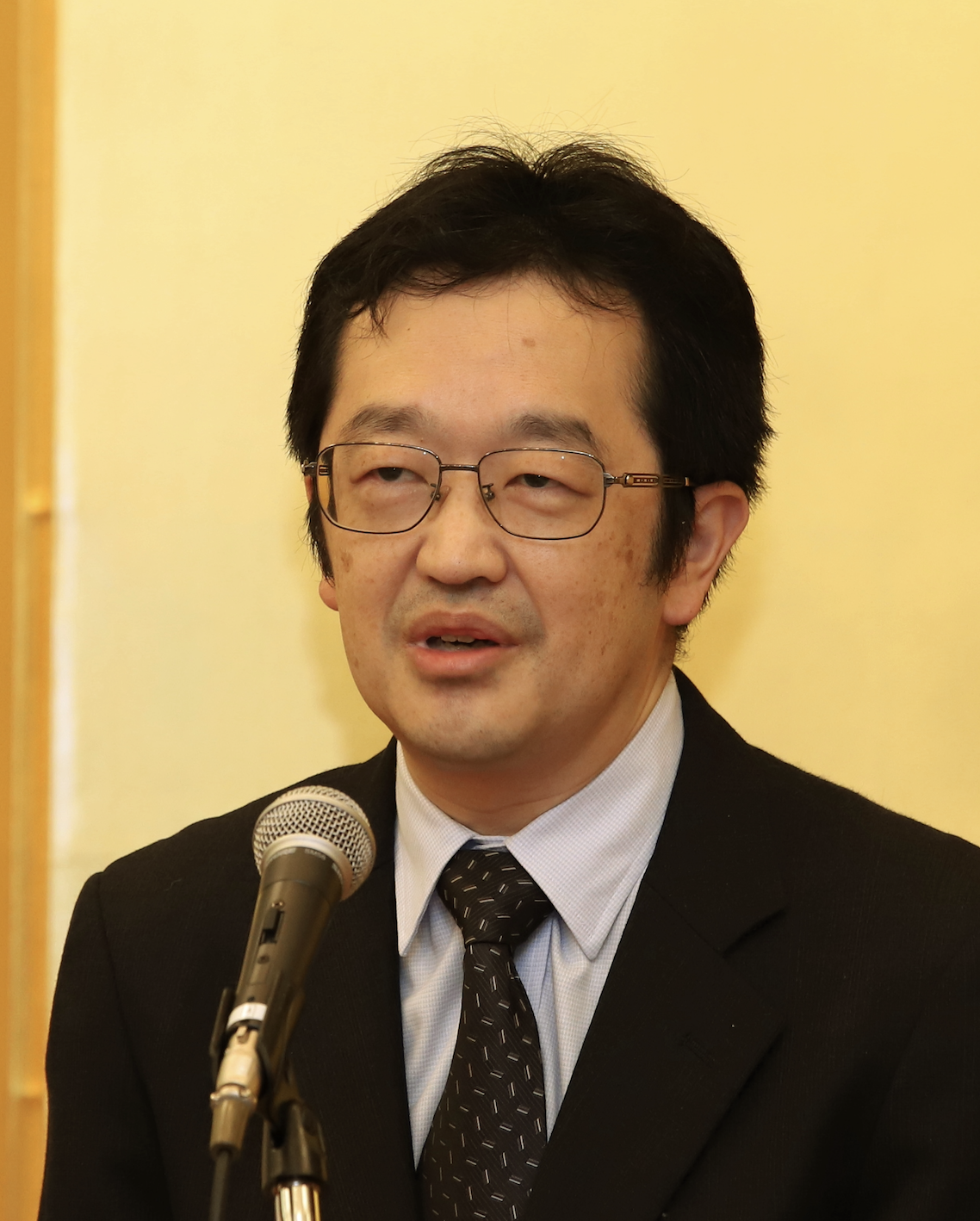 I cannot recall when I first heard the name Martin Chautari. Even before that, I had already recognized some of its (then, some still now) core members, first as editors and/or contributors of Studies in Nepali History and Society (SINHAS), the semi-annual academic journal full of surprisingly innovative and critical papers, and as editors of several Nepali books in media studies. Since SINHAS, Chautari Book Series, and Media Adhyayan began to be published directly by Martin Chautari, they have provided major reference points in my research on Nepal. Notably, SINHAS has become one of the first choices when considering where to submit papers on Nepal Studies in English, not only because it has been one of the best academic journals in Nepal Studies but also because I have received highly rigorous and constructive comments from its reviewers.
For over a decade now, when I visit the Kathmandu Valley, I have endeavored to attend seminars and discussions regularly held in MC. These events, where people from diverse backgrounds engage in free and equal debate, sometimes in English, sometimes in Nepali, have provided me with a much wider range of insights than obtained from reading literature or talking with my Nepali friends. In all these senses, I believe MC have served as a crucial chautari for Nepal Studies in both publication and events.
Katsuo Nawa
Professor, The University of Tokyo, Japan
MC has been at the Heart of My Journey as a Researcher – Uma Pradhan
MC has been at the Heart of My Journey as a Researcher – Uma Pradhan
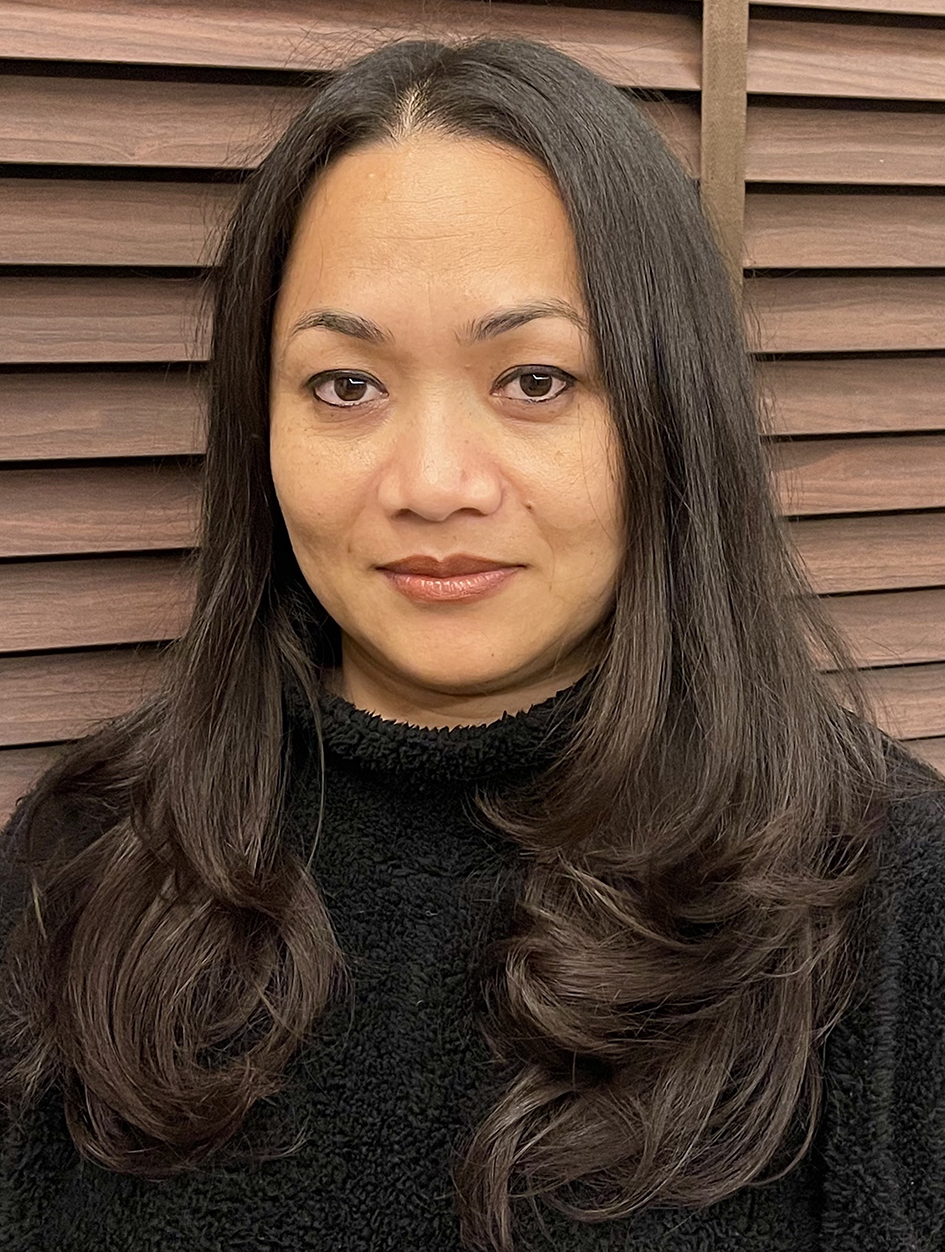 Martin Chautari has been at the heart of my journey as a researcher, especially through its focus on education in Nepal, which has shaped much of my own work. I first began engaging with its work during my DPhil fieldwork in 2013, and it has remained central to my research ever since. After completing my PhD, I joined the project Locating Public Finance Dynamics in Education in Nepal led by Chautari, working as a postdoctoral researcher based at Aarhus University, Denmark. That experience was a real turning point for me—it gave me the grounding and confidence I needed as an early career researcher. Working closely with a team whose scholarship I had long admired was both inspiring and profoundly formative. I have also been deeply influenced by Martin Chautari’s contribution to Nepal Studies. Studies in Nepali History and Society is still the leading journal in the field, and I have been fortunate not only to publish there and engage with its vibrant debates but also to serve as an Associate Editor. I have also relied extensively on the resources and networks that Martin Chautari sustains. It is hard to overstate how important its role has been, both for the wider study of Nepal and for my own research journey.
Uma Pradhan
Associate Professor, University College London, UK
A Hub of Knowledge Creation, Research Dissemination, and Debate – Roshee Lamichhane
A Hub of Knowledge Creation, Research Dissemination, and Debate – Roshee Lamichhane
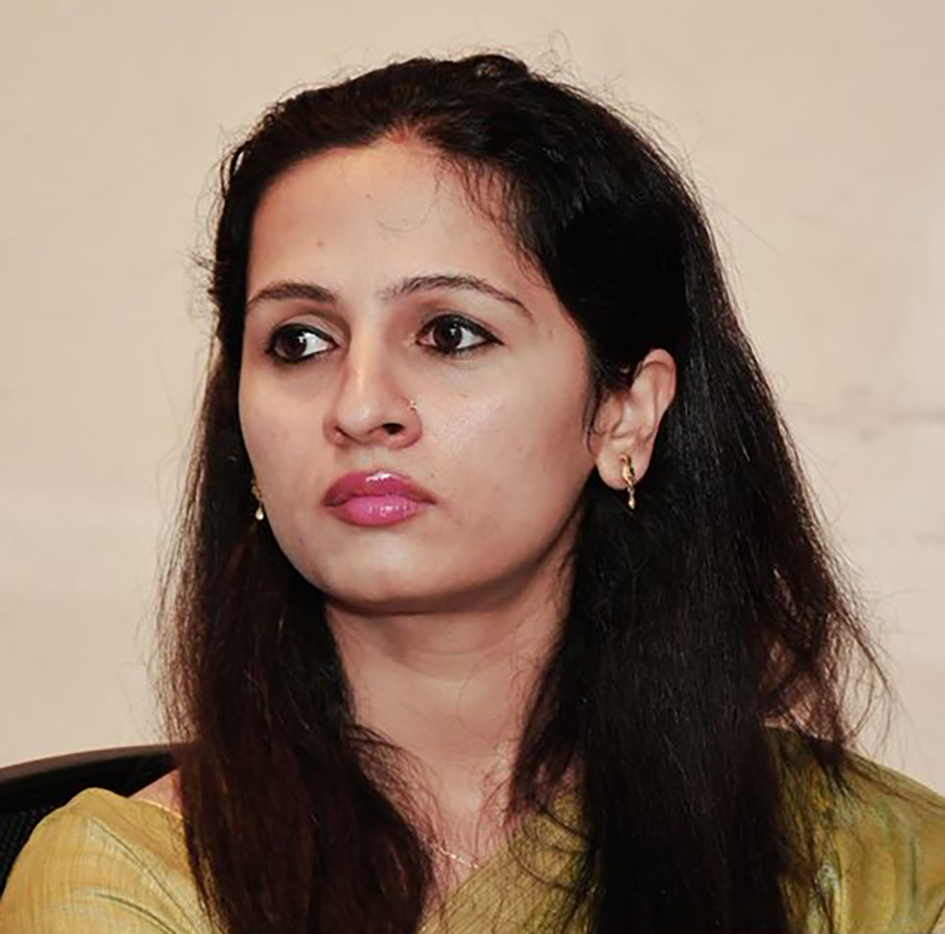 My initial interaction with the team from Martin Chautari started about six years ago, first as an audience member in one seminar it had organized and then three times as a speaker. I have presented on lab-based pedagogy in education, shared insights from my PhD research, and discussed transdisciplinary research. As a management scholar and educator, I was deeply impressed by the participants’ interest and insightful comments, many of whom were from fields other than management. Chautari’s role as a confluence of diverse ideas is what intrigues me the most. The debates, conversations, and deliberations on various topics are truly admirable. Equally commendable is the team’s persistent effort to bring together scholars, practitioners, and researchers to address contemporary issues.
My interactions with Chautari’s participants and team members have enhanced my research, writing, and thinking skills. Beyond its discussion sessions, Chautari’s publications are notable for their high quality. The library’s collection, which covers society, literature, economics, and a wide range of other topics, is invaluable. The book Nepal in the Long 1950s (2024) which I recently read was insightful. I am confident that Chautari will continue to spark critical and contemporary discussions on the changing political, social, and economic systems that will shape Nepal’s future. I wholeheartedly support and encourage its ongoing efforts, whether in research, discussion, mentoring, or as a hub of knowledge and a library. Its rich history is a treasure that must be preserved for future generations.
Roshee Lamichhane
Assistant Professor, Kathmandu University School of Management, Nepal
Something Quite Extraordinary – Ingemar Grandin
Something Quite Extraordinary – Ingemar Grandin
 Martin Chautari is really something quite extraordinary. It has given Nepal Studies a firm platform for knowledge formation and sharp intellectual dialogue across three different sets of boundaries: between different research disciplines (such as history, anthropology, political science, literature, economic history, Indology, musicology); between Nepali scholars and foreign researchers from an array of countries and academic traditions (such as France, Germany, Austria, Japan, Britain, the USA, the Nordic countries); and between public intellectuals, journalists, academic researchers, social activists, and people working in the development sector as well as in policy and politics. What all have in common is a solid focus on Nepal and a deep engagement with concrete Nepali issues.
This variety of perspectives has served to enrich the work of participants, has a wide variety of applications (development, public intellectual discussion, policy, education and so on), and has fostered high quality research.
While research on Nepal always has had an inter- or multi-disciplinary orientation and involved practitioners from more or less all over the world, the widely scattered Nepal Studies “diaspora” (of which I myself am a member) typically came together only at few and long-between international conferences. With Chautari’s infrastructure of discussions, journals and books we now have a central node for exchange of ideas and research results, thus making the globally dispersed scholars of Nepal into a real community. Chautari’s own research efforts and mentorships mean that this community is also continuously reinforced with (often up-and-coming) Nepali scholars.
I myself have researched the cultural, media-related, social, material and political transformation of Nepal—from the Panchayat era to the Republic—with musical practices as a point of entry since 1981, with PhD fieldwork in 1985–1988, follow up research in situ in 1992–1998 plus a number of shorter periods since then. When Martin Chautari gradually came into being, I found it very welcome since (unlike my French, British or German colleagues) I had no relevant infrastructure “at home” to rely upon—and indeed indispensable for my research work.
A little paradoxically, I found Chautari to be fundamentally important when working from my home environment at a Swedish university, far from Nepal. Chautari—and especially the journal Studies in Nepali History and Society (SINHAS)—makes it possible to keep up the connection, meet writings of upcoming scholars, and stay tuned to what goes on at the research frontier of Nepal Studies. I’ve learned a lot also from being a reviewer for a number of SINHAS articles. Unlike most other academic journals, in an issue of SINHAS I regularly find all articles worth reading: they present interesting data, well-thought-out arguments, and to-the- point discussion. The writers, moreover, clearly know what they talk about!
I myself see SINHAS as the first-hand alternative for an article. This is where one can write for informed readers (as well as probing and initiated reviewers!) and reach a relevant readership. In a SINHAS article one can go directly to the case at hand—in this journal unlike most others, it is not necessary to devote a third or so of the paper to “background” information on Nepal, or to refrain oneself to make points only on an abstract analytical level which will work for “any” society or culture.
What Chautari in general and SINHAS in particular provides us with, then, is high quality research that instead of staying within (often Western-biased) internal disciplinary concerns (theories, arguments and so on) remains rooted in Nepali concerns and realities. I’m glad that I have been able to take a small part in Martin Chautari’s efforts to institutionalize, enhance and put into practical action Nepal Studies.
Ingemar Grandin
Senior Lecturer (retired), Linköping University, Sweden
Martin Chautari as Intellectual Home – Tina Shrestha
Martin Chautari as Intellectual Home – Tina Shrestha
 A woman, around my parents’ age, waits at Whampoa Garden bus stop in Hong Kong. She studies me with a sliver of recognition as I stand behind her in a queue. “Nepali jastai dekhinchha…” she says loudly enough for me to hear. “Nepali nai hun,” I confirm and nod. Without missing a beat, she asks the second question. “Nepalma ghar kaha, hazur ko?” The question reminds me of my unsettled relationship to the place where I have not lived since the age of 13. Perhaps a separation the woman and I both share.
In this brief encounter and others like it, the question of where “home” is both simple and complicated. Those who’ve left one, re-created another elsewhere, and periodically return to one or the other share a quiet disorientation. Home for me has not been a physical place for a long time and is infused with ebbs and flows of estrangement. Memories of childhood spent in Kathmandu are constantly superimposed by teenage years and coming-of age in the American south, like a photomontage holding together disparate images across time and place. As an anthropologist, I am privileged to have a tool to work through these disorienting, if unaligned, emotions. I locate “home” in my writing and have done so through my first book.
Ethnographic Research
As an anthropologist, the value of ethnographic research for me is not in the immediacy or the newness of knowledge production. It is in the gathering of building blocks out of which a familiar story can emerge. The former overstates the role of a lone ethnographer, the latter prioritizes critical questions people are already grappling with before an ethnographer/researcher showed up in their world, potentially paving a path for publicly-engaged, accountable research.
In December 2006, I returned to Kathmandu to explore dissertation research topics, shortly after entering into PhD program in anthropology at Cornell University. That same year I also started visiting Martin Chautari (MC). But conducting research in your hometown where you have not lived as an adult means confronting aspects of self not immediately or easily discernible—unsettling of and resettling into the world around you. A commitment that must take others into consideration; it means navigating relationships anew, being confronted with histories older than you that nonetheless informed your family’s life course; reassessing norms you’d internalized only to find them not being mirrored by those you encounter or wish to connect. In short, locating home through meaningful connection to it becomes a necessary step before doing any research.
This became clear to me during my summer and winter visits to Kathmandu (2006–2008) upon regularly attending MC events and activities. It’s hard to overstate how those months shaped the idea of home for me. It was one of those pivotal moments in life to draw out the contradictions I’d lived with for years, and continue to do so, but it also helped me to begin understanding the lifeworld of people and place beyond the prism of a static “home.” Homecoming was no longer about “going back” to familiarity, if it ever was, but it wasn’t an opening toward unfamiliarity either. It was embracing the quiet disorientation brought upon by straddling different worlds.
It is no coincidence that my book Surviving the Sanctuary City: Asylum-Seeking Work in Nepali New York (2023, University of Washington Press), while based on ethnographic research in the US, is also a story about people evoking home—as a place and a collective idea— to express longing, loss, and shared struggles of seeking it in the migrant communities. The poignant reflections of home inseparable from sociopolitical history of Nepal and the varied accounts of migration trajectories informed by the changing US immigration politics structured the book. Narratives of lived experience in the city, woven in anguished tales of isolation, severed ties, and terms of belonging in the emergent diaspora remained my focus. In people’s silence around un-homeliness, predicaments of work, and precarious livelihood, I found words to begin understanding my own family’s history of migration to America. People’s ambivalent declaration—that they ‘migrated for better future’—gave voice to my own emotions and relocating home in writing.
Finding Intellectual Home
Indeed, my academic trajectory is tied to nearly two decades of intermittent, return-travels to Kathmandu, which incidentally centers on my encounters, interactions, and engagements at MC—from serendipitous and challenging to dialogical and memorable. MC has not only contributed to my work but has also provided me with a rare opportunity to share what I find most valuable about ethnographic research and writing beyond academia.
When it came to researching the sociopolitical context for the contemporary mass migration of Nepalis to the US for the book, MC was an invaluable resource. Its library, archival collection, publication of books in Nepali and English, including the flagship journal of SINHAS in the area of Nepal Studies, offered a critical starting point for secondary research. MC’s vibrant, intellectual culture was indispensable in sharing the findings of my research, receiving feedback, and learning about the latest work in Nepali anthropology and interrelated fields of study. Not to mention the ample opportunities to connect with Nepali and non-Nepali researchers, practitioners, and advocates helped widen the reach of my work outside academia. Beyond these, I found myself gravitating toward an eclectic group of people, engaging in lively discussions, and exploring collaborative possibilities, which laid the groundwork for my current research on inter-Asian mobilities. These finer details, to me, comprise an intellectual home.
Intellectual home lies in creating a collegial platform conducive to having an exchange on topics of mutual interest among scholars and public intellectuals through research, discussion, and writing. MC’s research seminar series, Mangalbare sessions, lectures, annual conference, reading seminars, and workshops attest to this. It was in SINHAS that my first peer-reviewed article was published in 2015.1 That article evolved into one of the key chapters in my book, sparking new questions, insights, and conversations.2
MC’s role as a pioneer in the development and knowledge production of Nepal Studies is well-known. And I feel privileged to have engaged in academic and public discourse aimed at enhancing the field. If as a discussant in a workshop in 2016,3 I gained insights into the dual discourse of development and anthropological knowledge of Nepal in the founding of the area study, as a presenter in a symposium in 2019,4 I had the opportunity to situate my work within the inter-disciplinary debate and consider the broader implications of Nepali diaspora for Nepal Studies.
Intellectual home lies in fostering next generation of publicly-engaged scholars, practitioners, and private citizens. To this effort, MC has created a nurturing environment, prioritizing empirical research, innovative method, and critical engagement with social theories. Whether through recruitment of junior researchers and students in the research and method seminars, encouragement of their participation in public lectures and directed reading seminars, these activities provide superior training and mentorship in social science research and critical thinking. They are on par with some of the prestigious academic and research institutes I have worked and taught in the US and Asia.
I take pride in having contributed, if in a small way, to MC’s ongoing effort to support the work of junior scholars. Aside from reading and reviewing manuscripts submitted to SINHAS for the past decade, I have also designed and facilitated two seminars on ethnographic method and anthropological writing in 2017 and 2019, respectively.5 I do not remember the details of the seminars. But I do remember having a spark of recognition as I observed participants working through the ethnographic text, drawing on their varied experiences, and deliberating on the value of ethnographic research and writing in their respective fields. An emergent community of publicly-engaged researchers carving out an intellectual home, I thought to myself.
_________________________
1 “Kagaz Banaune: A Collective Moral Practice of Suffering in the Asylum Experience of Nepalis in the United States.” Studies in Nepali History and Society 20(1): 5–30 [2015].
2 “Book Discussion on Surviving the Sanctuary City: Asylum-Seeking Work in Nepali New York,” Research Seminar Series, Martin Chautari, February 25, 2024. See also Amy Leigh Johnson’s review of the book published in Studies in Nepali History and Society 29(1): 222–227 [2024].
3 Workshop on “Debating Development in South Asia: Revisiting Dor B. Bista’s Fatalism and Development 25 Years Later.” Martin Chautari, December 29, 2016.
4 “Women Researchers in Nepal Studies Symposium,” Martin Chautari, March 3, 2019.
5 “Ethnography: What is It Good for?” Research Method Seminar, Martin Chautari, February 21, 2017; “Writing in Anthropology: On Positionality, Reflexivity and Ethnographic Fieldwork,” Research Seminar Series, Martin Chautari, March 24, 2019.
Tina Shrestha
Lecturer, Hong Kong Shue Yan University, Hong Kong and Researcher, Waseda University, Japan
Chautari Supports Early-career Researchers – Chihiro Kawaguchi
Chautari Supports Early-career Researchers – Chihiro Kawaguchi
 I conducted my first long-term anthropological research in Nepal from 2022 to 2023 for my master’s thesis. After completing my master’s degree, I lived in Nepal from 2024 to 2025, conducting research for my doctoral dissertation. Since 2022, I have participated in Chautari’s Sunday Seminars, the Chautari Annual Conferences, and workshops for women researchers, all while based in Kathmandu, despite my research field being in Mid-Western Nepal. Through various seminars and the annual conference, I had the opportunity to establish a valuable network with researchers from Nepal and abroad. In particular, I was able to build meaningful connections with young Nepali researchers of my generation who share similar academic interests, such as gender, feminism, and indigenous rights. I believe the insights we have cultivated together will make valuable contributions to Nepal Studies and to the broader field of international research.
Regarding the Chautari Annual Conference, it provides one of the best opportunities for training in academic writing for early-career researchers like myself. All presenters at the conference are required to submit a paper in advance, which enables substantive discussion with commentators during the sessions. Furthermore, the editorial team of Studies in Nepali History and Society (SINHAS) actively supports early-career researchers who wish to submit their papers to the journal. SINHAS, with a publication history spanning three decades, is unparalleled as a leading academic journal on Nepal Studies. Through the comments of three anonymous reviewers well-versed in my research topic, I was able to refine the draft of my article which will be published in SINHAS shortly. It would be difficult to find another international journal with reviewers who possess such profound knowledge of Nepali society and who provide such thoughtful feedback.
Finally, one of the most remarkable roles that Martin Chautari plays is providing a genuinely neutral space for research and dialogue, free from external interests. My research focuses on the citizenship issues faced by Nepali single mothers and Madheshi women. Outside Chautari, my research questions are often dismissed by sexist and narrowly nationalist persons who discriminate against single mothers and Madheshi people. Inside Chautari, however, I am afforded the freedom to explore these topics and engage in open dialogue beyond such patriarchy and static nationalism. Since Chautari is independent of political groups and international aid organizations, both domestic and international researchers, including myself, can get support for our independent research projects.
Chihiro Kawaguchi
PhD Candidate, Graduate School of Asian and African Area Studies, Kyoto University, Japan
Martin Chautari, Nepal in the World and the World in Nepal – Susan Heydon
Martin Chautari, Nepal in the World and the World in Nepal – Susan Heydon
 Martin Chautari has many important roles but for a foreign researcher like me it provides a very valuable opportunity and space to engage in Nepal with Nepali sources, research and researchers. I first became aware of Martin Chautari in early 2015. I was in the early stages of researching Nepal and smallpox and responded to a general invitation to academic colleagues “outside Kathmandu” to come and discuss their work. I live in New Zealand, but in April on my way back from the UK I gave a seminar, just two weeks before the devastating earthquake. I also became involved from the early stages with the book Nepal in the Long 1950s (2024) published by Martin Chautari with its aim of injecting new life into the study of this key period and challenging existing historiography. In 2025, I had the opportunity to discuss my now-published book Implementing a Global Health Programme: Smallpox and Nepal (2025, Manchester University Press) and importantly with a physician discussant enabling us to bring history and health together. There is a long way to go—young Nepali researchers who can explore Nepali language sources need encouraging into health history.
In the intervening years Martin Chautari was always somewhere I could turn to when I had a question or needed some advice. Often it was thought provoking and at times challenging. At times I could reciprocate. Looking back, I wish I had been able to do more but opportunities to come to Nepal were limited. My links to the study of Nepal, however, are longer. My new book was about Nepal in the world and made visible its place in global smallpox history, However, I first encountered Nepal in 1996 when our family arrived as volunteers for Sir Edmund Hillary to spend two years at the small hospital at Khunde not far from Mt Everest. This later became the subject of my PhD and earlier book Modern Medicine and International Aid: Khunde Hospital, Nepal, 1966–1998 (2009, Orient Blackswan). I was part of the world in Nepal.
Susan Heydon
Associate Professor of Social Pharmacy, University of Otago, New Zealand
Chautari has Shaped the Trajectory of My Academic Life – Bal Bahadur Thapa
Chautari has Shaped the Trajectory of My Academic Life – Bal Bahadur Thapa
I am an Assistant Professor in the Central Department of English, Tribhuvan University. I have been a regular user of online and offline resources of Martin Chautari since 2005. The frequency of my visit to Chautari increased as I decided to work on the connection between modernity and nationalism in the context of Nepal for my MPhil thesis. Not only did I use the online resources of Chautari like JSTOR and Project MUSE but also took advantage of the books from its library. Through the platforms like Chakati Bahas, Chautari Seminar Series and Chautari Annual Conference, I have shared my ideas with the other scholars in Kathmandu. Finally, after I completed my thesis—“Nationalism’s Appropriation of Modernity in Anagarik and Maitighar”—in 2012; I was awarded a Media Fellowship by Chautari in 2013. Based on my dissertation, I prepared an article for issue no 9 of Media Adhyayan (2014), one of the eminent journals in the field of Media Studies in Nepal.
Meanwhile, I was working as the Research Assistant to my mentor Prof Dr Sanjeev Uprety for a South Asian social justice project run by Aakar, New Delhi. We proposed to examine structural violence along the lines of gender and caste embedded in the Muluki Ain and the constitutions of Nepal up to the Interim Constitution of Nepal, 2007. During our research, Chautari remained an important source of reference materials. Indeed, I met Dr Mara Malagodi there. Her 2013 book, Constitutional Nationalism and Legal Exclusion: Equality, Identity Politics, and Democracy in Nepal (Oxford University Press), which was available at the Chautari library, really helped us in our study of legal texts.
Finally, our article “Constitutional Nationalism and Structural Violence: A Study of Muluki Ain and the Constitutions of Nepal” was published in Violence and the Quest for Justice in South Asia (Sage, 2018). Encouraged by these wonderful research experiences, I decided to trace the trajectory of modernity in the context of Nepal for my PhD dissertation. Indeed, I shared the first concept paper with other scholars during a talk program held at Martin Chautari. I still remember the suggestions I received from scholars present on that occasion. Dr. Archana Thapa’s observation—the women were absent from my PhD project of modernity in Nepal—was an eye-opener. As a result, I added texts like Padmavati Singh’s Samanantar Akash (The Parallel Sky) and Diamond Shamsher Rana’s Anita to the list of primary texts so as to examine the space of women in the trajectory of modernity in Nepal.
The articles published in Martin Chautari’s journals, Media Adhyayan and Studies in Nepali History and Society, lent me sociological and historical lenses. Indeed, my PhD dissertation, “Trajectory of Nepali Modernity: A Narrative of Ruptures and Repairs” (2021), derives its cross-disciplinary as well as interdisciplinary strength from the resources available at and discussions held at Chautari. Of course, as a student of Cultural Studies, I was already familiar with such approaches. However, it is Chautari, which offered me exposure to other disciplines, particularly history and sociology, in such a way that I could practice interdisciplinary and cross-disciplinary research methods and theoretical frameworks. Indeed, Chautari has shaped the trajectory of my academic life.
Bal Bahadur Thapa
Assistant Professor, Tribhuvan University
Chautari is Important for Early-Career Researchers – Shila Adhikari Devkota
Chautari is Important for Early-Career Researchers – Shila Adhikari Devkota
 In 2006, I heard about Martin Chautari (MC) for the first time when I was a master’s level student at Tribhuvan University (TU). I then participated in MC’s Mangalbare discussion series with my colleagues. As a student, I was eager to learn new things; hence, I found MC a suitable place to meet and discuss with different scholars. Its seminars were a great platform for students like us to present our research findings. I learnt about research methods and process in detail at Chautari for the first time by participating in various research seminars. This experience drew my interest in the field of research.
MC’s publications were good resources to read as I tried to learn academic writing. As a result, I was able to develop a research proposal and get a research fellowship from the Social Inclusion Research Fund (SIRF) managed by SNV Nepal in 2007. This award endorsed my growing interest in research and also encouraged me to apply my knowledge in a practical setting.
In 2009, I was selected as a research fellow at Chautari. This gave me further opportunity to develop practical skills in the field of research, writing and presentation. While doing my research and writing, I got guidance and feedback from my mentors, peers and seminar participants. Finally, I published a research article related to inclusion in higher education in Nepal. I learned that critical comments and feedback are very important for improving one’s writing skills. In my case, Martin Chautari has remained as a “Chautari” for acquiring practical knowledge and skills in research.
Shila Adhikari Devkota
Graduate student at Northern Illinois University (NIU), DeKalb, Illinois, USA
मेरो बुझाइमा मार्टिन चौतारी – बबिता बस्नेत
मेरो बुझाइमा मार्टिन चौतारी – बबिता बस्नेत
 मार्टिन चौतारीले गर्दैआएकामध्ये मलाई सबैभन्दा महत्त्वपूर्ण लागेको काम नेपालका विभिन्न क्षेत्र र समुदायको इतिहासको अभिलेखन हो । विविधतापूर्ण नेपाली समाजलाई चौतारीले समाज अध्ययन जर्नल (पहिले मिडिया अध्ययनको नामबाट प्रकाशित) मार्फत शृंखलाबद्ध रूपमा जनसामु ल्याएको छ । समाज तीव्र रूपमा परिवर्तनतर्फ अघि बढिरहेका बेला विभिन्न क्षेत्र, वर्ग, समुदायको पृष्ठभूमि र विकास क्रमलाई जीवन्त राख्न चौतारीले आफ्ना अन्य विविध गतिविधि मार्फत पनि भूमिका निर्वाह गरेको छ ।
नेपाली मिडिया क्षेत्रलाई विभिन्न दृष्टिकोणबाट विश्लेषण गर्ने कार्यको शुरूआतको श्रेय पनि मार्टिन चौतारीलाई जान्छ । विगतमा नेपाली मिडियासम्बन्धी विभिन्न पुस्तक र मिडिया अध्ययनको शृंखलाबद्ध प्रकाशनले नेपाली मिडियाको इतिहासदेखि वर्तमान सम्मका विविध पक्षलाई उजागर गरेको थियो । यस्तै, विभिन्न क्षेत्रको इतिहास, विद्यालय शिक्षा, वातावरण, लैंगिक समानता लगायतका विषयमा अनुसन्धानमूलक पुस्तकहरू प्रकाशन गरेर सम्बन्धित विषयमा विस्तृत रूपमा जान्ने अवसर पनि चौतारीले दिएको छ । मिडिया अध्ययनको छैटौँ अंकमा मैले साप्ताहिक पत्रिकाबारे लेख्दै गर्दा मलाई ‘ओहो यस्ता कुराहरू त अभिलेखबद्ध गर्नुपर्ने रहेछ’ भन्ने महसुस भएको थियो । आफैले गरेका कतिपय कार्यहरू इतिहास बन्न सक्छन् भनेर हामीले खासै सोचेका हुँदैनौँ । मार्टिन चौतारीले गर्ने विभिन्न विषयका अनुसन्धानले ती विषय बुझ्न मात्र सहज बनाएको छैन, नीति योजना निर्माणमा पनि तिनले सघाएका छन् भन्ने मेरो बुझाइ छ, किनकि हामीकहाँ कुनै नीति, योजना, कार्यक्रम तय गर्नुअघि अनुसन्धान गर्ने चलन ज्यादै कम छ ।
विभिन्न विषयमा यहाँ नियमित हुने छलफल र बहसले विषयगत गहिराइका लागि बौद्धिक खुराक दिने गरेका छन् । एकतिर विषयगत विज्ञहरूलाई ती छलफल शृंखला आफ्ना विचार राख्ने ठाउँ बनेको छ भने विषय बुझ्न चाहनेहरूका लागि पनि राम्रो मञ्च उपलब्ध भएको छ । हामी कहाँ मुलुकका विभिन्न विषयमा नियमित छलफल र बहस गर्ने मञ्च पनि धेरै छैनन् । मार्टिन चौतारी सबैका लागि समान आतिथ्य र सम्मान प्राप्त हुने ठाउँ हो । उपलब्ध कतिपय मञ्चहरूमा विषयगत विज्ञता हासिल गरेकाहरूका व्यक्तिहरूका लागि मात्र पहुँच हुने गरेको सन्दर्भमा चौतारीले आयोजना गर्ने छलफल र बहसमा इच्छुक जो-कोहीले भाग लिन पाउनु यसको अर्को विशेषता हो । मार्टिन चौतारीका छलफलमा गरिने समयको व्यवस्थापन अर्को राम्रो पक्ष हो । जति जना मानिस जम्मा भए पनि तोकिएको समयमै कार्यक्रम शुरू गर्ने र समयमा समापन गर्ने उसको परिपाटीले समयको महत्त्व मात्र दर्शाउँदैन, समयको सम्मान गर्न पनि सिकाएको छ ।
बबिता बस्नेत
पत्रकार
सार्वजनिक बहस र अनुसन्धान मार्फत समावेशिता र सामाजिक न्यायको प्रवर्धन – खिम घले
सार्वजनिक बहस र अनुसन्धान मार्फत समावेशिता र सामाजिक न्यायको प्रवर्धन – खिम घले
 मार्टिन चौतारीबारे म मेरो पत्रकारिताको शुरूआती काल (२०५७/०५८ साल) देखि नै जानकार छु । त्यस बेला एक जना भर्खरै पत्रकारितामा बामे सर्दै गरेको पत्रकारको रूपमा मार्टिन चौतारीले आयोजना गर्ने विभिन्न खालका अन्तर्क्रियाहरूमा म सहभागी हुन जान्थेँ । आफूले रिपोर्टिङ गर्ने विषयहरूमा कार्यक्रमको समाचार बनाउनु मात्र मेरो उद्देश्य हुन्नथ्यो; सहभागी विज्ञहरूसँग चिनजान, तथ्य र तथ्यांकहरूको संकलन र विशेष फलोअप गरेर समाचार तयार पार्नका लागि विषयवस्तु प्राप्त गर्नु पनि हुन्थ्यो । विशेष गरेर आदिवासी जनजाति र समावेशिताका विषयमा रिपोर्टिङ गर्ने क्रममा मार्टिन चौतारीबाट प्रकाशित विभिन्न पुस्तकहरू सहयोगी बनेका थिए ।
प्राज्ञिक अनुसन्धान गर्ने स्वतन्त्र संस्थाको रूपमा चिन्दैआएको मार्टिन चौतारीसँग म नजिक हुनुमा उसले गर्ने मिडिया सम्बन्धी अध्ययन अनुसन्धान पनि हो । आफू मिडियाको विद्यार्थी र एक सक्रिय पत्रकार समेत भएका कारण पनि मिडिया सम्बन्धी अध्ययन अनुसन्धानहरूमा चासो हुनु स्वाभाविक हो । चौतारीले आयोजना गर्ने अन्तर्क्रियाहरूमा मिडियाका विविध आयामबारे बुझ्ने मौका मिल्थ्यो । सन् २००७ मा नेपाली मिडियाबारे स्नातकोत्तर तहको शोधपत्रका लागि अनुसन्धान गर्न चौतारीले केही फेलोशिप दिने भएको थियो । प्रतिस्पर्धामक सो फेलोशिप प्राप्त गर्नेमा म पनि एक थिएँ ।
त्यसै गरी नेपाल आदिवासी जनजाति पत्रकार संघ (अनिज) को नेतृत्वमा रहेर मिडियामा समावेशिताका सवालहरू उठाइरहेका बेला मार्टिन चौतारीका प्रत्यूष वन्तले अनिजको गतिविधि तथा मिडियामा समावेशिताका सम्बन्धमा पनि चासो राखेर मसँग पटकपटक कुराकानी गर्नुभएको थियो । उहाँले ती विषयहरूलाई आफ्नो लेखमा समेट्दा हामीले उठाएका विषयले वैधानिकता पाएको महसुस हुन्थ्यो । मार्टिन चौतारीले प्रकाशन गरेको मिडिया अध्ययन जर्नलको पहिलो अंकमा मैले अनिज र अनिजले उठाउँदै आएको बहुलवादी मिडिया संरचनाबारे टिप्पणी लेखेको थिएँ ।
मार्टिन चौतारीका प्रकाशनहरू समाजका मूलधारे विषयमा मात्र सीमित छैनन् । स्थापना कालदेखि नै सामान्यतया अरूले नसमेटेका र बेवास्ता गरिएका आदिवासी जनजाति, दलित, महिला लगायतका समूहका विषयमा पनि चौतारीले अध्ययन-अनुसन्धान गरिरहेको छ । समावेशिता र सामाजिक न्यायका सवालमा अध्ययन-अनुसन्धानको माध्यमबाट नेपाली समाजलाई मार्टिन चौतारीले बौद्धिक खुराक दिँदैआएको छ । यसरी नै बेवास्ता गरिएका वा अरूका नजरमा विषय नबनेका तर महत्त्वपूर्ण यस्ता विषय उपर चौतारीले अझ धेरै अध्ययन-अनुसन्धान गर्न सकोस्; शुभकामना !
खिम घले
सञ्चारकर्मी
दलित र गैरदलितबीच संवाद गराउने एउटा गतिलो “स्पेस” – प्रकाश वि.क.
दलित र गैरदलितबीच संवाद गराउने एउटा गतिलो “स्पेस” – प्रकाश वि.क.
 मलाई थाहा भएसम्म नेपालमा विभिन्न आर्थिक, राजनितिक, सामाजिक, साँस्कृतिक, आदि विषय वस्तुमाथि नियमित छलफल आयोजना गर्ने र त्यस्ता छलफलमा भाग लिन नागरिकलाई नि:शुल्क स्थान दिने एकमात्र संस्था मार्टिन चौतारी हो । नेपालमा जातको विषयमा छलफल गर्न धेरै गैरसरकारी संघ-संस्था तयार छैनन्, बरु उल्टो विरोध गर्छन् । एक हिसाबले दलितलाई आफ्ना विषयवस्तुमा गैरदलितसँग संवाद गराउने गतिलो “स्पेस” छैन । यसमा पनि चौतारीले उल्लेख्य योगदान गरेको मैले देखेको छु र यस्ता कैयौँ कार्यक्रममा म सहभागी पनि भएको छु । यस्तो “स्पेस” बाट दलित आन्दोलनलाई र समग्र दलित समुदायलाई फाइदा पुगेको छ ।
स्नातकोत्तर तहको पढाइ सकिए लगत्तै रोजगारी खोज्ने क्रममा म सन् २०१४ मा मार्टिन चौतारीसँग जोडिन पुगेको थिएँ । त्यति बेला एउटा अनुसन्धान परियोजनाका लागि केही अनुसन्धान सहायकको माग हुँदा म पनि छानिएको थिएँ । सो परियोजना अन्तर्गत म करिब छ महिना स्थलगत अनुसन्धानमा सहभागी हुँदा अनुसन्धान सम्बन्धी केही व्यावहारिक ज्ञान हासिल गर्ने मौका मिल्यो, जुन अहिले मेरो विद्यावारिधि अनुसन्धानको आधार बनेको छ । करिअरको दौरानमा मैले विभिन्न संघ-संस्थामा विभिन्न अनुसन्धान परियोजनमा काम गरेँ । यस्ता अनुसन्धान परियोजनबाट मैले केही कार्यपत्र प्रकाशनको लागि तयार पारेको थिएँ । प्रकाशनपूर्व कार्यपत्रलाई अझ खँदिलो बनाउने हेतुले मैले चौतारीको “स्पेस” लाई प्रयोग गरेँ । यस क्रममा मैले आफ्ना करिब चार ओटा कार्यपत्र मार्टिन चौतारीद्वारा आयोजित सेमिनार र सम्मेलनमा प्रस्तुत गर्ने मौका पाएँ । त्यस क्रममा सहभागिहरूबाट प्राप्त सुझावले मलाई आफ्नो अनुसन्धानपत्र परिमार्जन गर्न सघायो ।
यसै गरी चौतारिले विभिन्न समयमा आयोजना गर्ने रिडिङ सेमिनारबाट पनि मैले प्रत्यक्ष फाइदा लिएको छु । यस संस्थाले जुलाई २०२२ मा आयोजना गरेको “Medical Anthropology: From the Human to the Planetary” विषयको रिडिङ सेमिनारले मेरो शैक्षिक करिअरमा प्रत्यक्ष योगदान पुर्याएको छ ।
अन्तमा, चौतारीले यस्ता राम्रा काम गर्दागर्दै पनि संस्था आफैँमा पनि अझ बढी समावेशी भएमा दलित समुदायले झन् धेरै फाइदा लिनसक्ने म देख्छु ।
प्रकाश वि.क.
पीएचडी स्कलर, युनिभर्सिटी अफ नट्रेडाम
Making Academia Accessible to Young People – Eva Kafle
Making Academia Accessible to Young People – Eva Kafle
When I first learnt of Martin Chautari, it had felt like an intimidating institution, a space for people who were older and decidedly much smarter than me. It existed in my peripheral vision, conducting talks, publishing articles and books, holding events I wasn’t brave enough to express interest in yet. It wasn’t until I was an undergraduate at KU studying media that I began actively looking for well-stocked libraries I could spend hours in without being disturbed. The Chautari library was everything I needed it to be: reliable, helpful, and accessible, with an extensive archive of Nepali newspapers dating back to the 1980s which I needed for my university project. The librarian was patient with me as I stumbled through my research, and I found myself looking forward to going to the library. Eventually, I started seeking out the library even when I didn’t have an assignment due. I started looking up books on the Chautari library online database just to browse the shelf and find interesting material. Not even my university library had an online database, so the fact that I could access the Chautari catalogue (which also is a lot more diverse than my university shelves were) from my laptop at home was quite revolutionary for me.
 That it was welcoming of me and my friends as we were stumbling into research was a huge factor for us, given how inaccessible Nepali academia felt with its demographic of older, skeptical men. Given how intimidating our classrooms were, how un-encouraging, it was incredible for us to attend a Chautari talk and see that a crowd of researchers could look as diverse as an evening market. That asking questions would not result in a scolding about our stupidity, but a spirited discussion. The more curious I became, the more Martin Chautari opened itself up with engaging talks on topics I hadn’t thought of, friendly mentors making their expertise accessible, and a welcoming space with the resources to teach me what questions I needed to ask and what hypotheses were worth pursuing.
When my friends and I had ideas and observations of our own, Chautari gave us the space to expand on them. I remember sitting with my friends and some new people we met after the release of the book Kathmandu: A Reader (2025) on the grass talking for hours. That conversation was where the Kathmandu branch of Women Walk at Midnight was born, which has now been featured on eShe and The Kathmandu Post.
From a formal institution for “important” people, Martin Chautari quickly became Marty C for my friends and I, a testament of its access and our comfort there. From panels on school education to the health of legacy media houses in the digital era, an established institution like Chautari investing in my ideas meant I had access to people from various industries doing notable work in their fields, and to people who would want to further the conversations started during the panels. On a more personal note, my first seminar on the brief history of history education in Nepali secondary schools was born of a journalism assignment that I was encouraged to expand on. Had it not been for that session and the discussion that followed, I would not have had the courage to pursue a history masters.
Even now, in my current MA program with LSE and NUS, I find myself relying on Martin Chautari for resources on Nepali research, for sources on Nepal, from Nepal. I rely heavily on the experts I’ve managed to connect with through Chautari, and double back on the instincts I’ve sharpened from the discussions I’ve hosted and participated in. I couldn’t imagine getting more of a leg up in my journey to be a history student, and I can’t emphasize just how important research institutes like Martin Chautari are to the growth of Nepali academia. I know it will continue being a reliable and instrumental part of my studies and subsequent academic career, and I can’t wait to see Chautari grow further.
Eva Kafle
Student, Masters in Asian and International History DDP,
London School of Economics and National University of Singapore
A Place to Think – Sanjay Sharma
A Place to Think – Sanjay Sharma
 As I begin writing this, I realize that Martin Chautari has been an important institution in my academic growth since my undergraduate days. I first attended one of MC’s discussions in 2008 as an undergraduate student. I vaguely remember that someone was speaking about Marx and Maoism in Nepal. Since then, I have attended dozens of MC’s weekly discussions and conferences on research, history, politics, and society. These discussions have been immensely helpful in shaping my understanding of Nepali society.
Over the years, I have also participated in several reading and writing seminars at Martin Chautari that have significantly shaped my thinking and writing. One reading seminar on Visual Anthropology in particular helped me write my first single-authored academic article, which was later published in a journal of the same name. That experience opened up new avenues for me to read more widely and engage in serious academic writing.
Beyond the conferences, seminars, and discussions, Martin Chautari’s resources have also been invaluable. I frequently browse through its online library catalogue, often discovering hidden gems. From using the physical library as a workspace during my student years to later being hosted as a guest researcher, Martin Chautari and its staff have always been welcoming and supportive.
During my PhD journey as well, conversations with researchers and staff at Martin Chautari helped me think through many aspects of my work, often through thought-provoking questions and insightful, research-based inputs. My doctoral research was deeply shaped by the writings of scholars affiliated with Martin Chautari, many of whom have contributed to and beyond Studies in Nepali History and Society (SINHAS). Writing and publishing for SINHAS and Samaj Adhyan has also been a valuable learning experience that helped me grow as a researcher.
After completing my PhD, I had the privilege of facilitating two reading seminars at Martin Chautari, one on Research Methodology and another on Decolonial Thought. Both seminars saw an overwhelming and diverse participation from individuals across Nepali academic and non-academic circles. These experiences further reinforced for me the important role that Martin Chautari plays in fostering intellectual exchange and critical debate.
Through these many pathways, Martin Chautari has not only supported individual scholars like me but has also helped cultivate an academic culture in Nepal. This is particularly important in a context where platforms for the social sciences are limited and often vulnerable due to resource constraints. Martin Chautari continues to provide scholars with a much-needed space to think, discuss, and engage with ideas that connect Nepal to broader intellectual conversations.
Now, as a post-doctoral researcher at Aarhus University in Denmark, I remain deeply grateful for the individual and institutional support I received from Martin Chautari throughout my academic journey.
Sanjay Sharma
Post-doctoral Researcher, Aarhus University, Denmark
MC Shares Knowledge as Public Good – Sambriddhi Kharel
MC Shares Knowledge as Public Good – Sambriddhi Kharel
 When I first heard about Martin Chautari (MC), I was impressed by the name. I learned that the name was chosen to honor the memory of Martin Hoftun, founder member of the informal discussion group (that later became MC) who tragically lost his life in an airplane accident in 1992.
“Chautari” in Nepali means a resting stop, a platform built around big trees (such as a pipal tree) intended to provide shade to travelers. It also serves as a place for sitting and chatting after a day of work, mostly in rural areas of Nepal. In essence, it is an informal space for social discussions and dialogues. The aptness of its name is evident in the work done by MC over the years, and what it represents to people who access its multidimensional space. It has provided a democratic space and platform for students, researchers, scholars, development practitioners and those interested in Nepali polity and society.
The cultural resources that MC has provided through its thematic discussion series, seminars, research, research training, publications and a library open to the public may be viewed as a form of cultural capital which has benefited many. MC has played a vital role in encouraging young scholars through its fellowship program and mentorship. It has provided opportunities for those who come to MC to connect, exchange ideas and forge important ties. Such support has enabled scholars and researchers to further their research and academic careers.
My research journey relating to social inequalities as a sociologist led me to the MC library. The access to the material available, especially Nepali publications, was instrumental to my own research on topics such as the gendered nature of poverty, Dalit identity, resistance and social movement in Nepal. Since there was very little written in English on the topic by Nepali authors, and those who worked in the area, I accessed Nepali writings which was very critical for my analysis.
Although access to books, journal articles and other materials are available online, it is still difficult to find Nepali publications online. MC’s publication program is noteworthy in that 70 percent of its publications are in the Nepali language contributing to wider outreach in Nepal and for Nepali speaking population abroad. Research publications on Nepal in the English language are easily available through many theses and dissertations and edited volumes that come out of research of Nepali and international scholars. However, finding good quality research publications in the Nepali language is not easy. MC has attempted to fill this gap and in the process is making significant contribution to the Nepali social science scene.
My experience of publishing with the journal Studies in Nepali History and Society (SINHAS) has been a positive one. The rigorous peer review process, and a highly skilled and meticulous editorial board allow for a peer reviewed journal that meets rigorous standards. SINHAS has provided a space for those working on Nepal to publish their work.
I particularly enjoyed reviewing a book published by MC. The book is Samantako Relay Daud (2021; translated title Relay Race for Equality). This book is edited by Savitri Gautam, Kailash Rai and Pratyoush Onta. The fact that it is published in Nepali makes it even more valuable since there are not many books on the women’s movement(s) in the Nepali language. This book is a must read for social scientists, gender activists and journalists. It documents the experience of women intellectuals, activists, and leaders and their contribution to the women’s movement through their areas of work-related advocacy in the past 45 years. It also gives an overview of the women’s movements in Nepal through an intersectional lens. Broadly, this book tries to counter androcentric knowledge production by documenting “her history” and “her stories” through firsthand interviews, which are refreshing to read.
Last but not the least, my best wishes for MC to continue its significant work of knowledge production and dissemination. MC has shown how a “public good” such as knowledge can be shared freely. In an era when traditional learning centers with physical space and in-person contact are shrinking in lieu of virtual classrooms and Artificial Intelligence, organizations like Martin Chautari hold more relevance than ever.
Sambriddhi Kharel
Sociologist and Independent Researcher, Nepal
Agent that Quietly Redefined the Intellectual Landscape of Nepal – Seika Sato
Agent that Quietly Redefined the Intellectual Landscape of Nepal – Seika Sato
 Reflecting on my 30-year academic journey alongside Martin Chautari (MC), I see it has been more than just a research hub for me; it has been the catalyst for my own scholarly evolution as well as the agent that quietly redefined the intellectual landscape of Nepal. Over the last three decades, the institution has definitely remained a place where rigorous scholarship meets an unwavering commitment to understanding Nepali society in all its complexity.
My first encounter with MC came through its flagship journal, SINHAS—Studies in Nepali History and Society. At the time, the Nepali academic landscape often felt polarized between traditional, descriptive accounts and externally-driven development reports. SINHAS struck me as a “new breed” entirely. The journal was not merely filling a gap; it was creating a new standard, demonstrating what serious, committed academic inquiry about Nepal could look like. I remember the distinct feeling that a new intellectual space was being carved out, one that commits to understand Nepali society with a level of critical depth that had been previously scarce.
What began as a regular readership of SINHAS soon evolved into a much more intimate engagement. During my research trips to Nepal, MC became my intellectual home. I found myself drawn to their frequent seminars and workshops—spaces where the air was thick with debate and the exchange of ideas was remarkably democratic. I transitioned from a silent reader in the back of the room to an active participant. I began talking on panels, delivering lectures, and submitting my own articles to SINHAS. The rigors of their peer-review process further cemented my respect for their standards. Later, I have had the privilege of serving as a member of the journal’s editorial team. It allowed me to see the “engine room” of scholarship on Nepal, where meticulous attention to details and an unwavering commitment to intellectual honesty were the daily bread.
MC have had a significant impact on my professional life on another front: it helped me redraw the map of my own research. Like many anthropologists and scholars of my generation, my early work was a “typical” field study—deeply immersive but largely confined to a small, specific ethnic community in a rural setting. While valuable, this micro-focus had its limitations. Engagement with MC over the years helped me to embark on a new front of exploration: the vibrant, chaotic urbanity of Kathmandu and its surroundings. MC served as one of the conduits to facets of Nepali society that I had not previously been exposed to. Through their network, I engaged with urban working-class families and middle-class intellectuals from a dizzying array of ethnic backgrounds, which enriched my view of Nepal as a dynamic tapestry of class, ethnic, and gender differences that intersect with each other.
While MC enlarged and enriched my view of Nepal, the institution itself always remained something “extraordinary” in Nepal in my eyes. In a social environment where institutional bureaucracy can be stifling and “Nepali time” makes a routine excuse, MC stood out as a marvelous anomaly. They were, and remain, intellectually dedicated, institutionally reliable, organizationally efficient, and—most remarkably—always punctual, as amply testified by their regular and productive seminars and publications. MC people revised my conception of how people could function, even as a part and parcel of the Nepali social environment prevalent so far. They proved that productivity and critical excellence could be the trait indigenous to Nepali soil that could be cultivated through shared vision and discipline.
No doubt MC has contributed more than any other single institution to documenting and analyzing Nepali society and history during its last three decades that saw Nepal navigate political upheavals, social change, and ongoing challenges over identity, development, and democracy. They have captured the nuances of the transition from monarchy to republic, the complexities of the civil war, and the ongoing struggles for social justice. However, MC’s role goes beyond documentation. They have been an agent for transformation itself, not necessarily of Nepali society at large in any direct sense, but certainly of the intellectual and academic landscape within it. They created a space where the “subaltern” could speak and where young researchers were mentored as well as helped raise the bar for what scholarly engagement with Nepal can and should look like.
At this moment, as the country apparently is poised for further transitions—grappling with a myriad of political, social, economic issues—I believe the institution will go on to play this vital role into the future. They are the keepers of the collective memory and the sharpeners of the intellectual tools that the next generation of thinkers will need. In this context, I feel it is not merely appropriate, but genuinely obligatory, for all those who have engaged with and benefitted from MC’s work—as I have so substantially—to do whatever they can to support the institution going forward. Whether through continued scholarly collaboration, through contributing to its publications, through participating in its events, or through any other forms of engagement, those of us who have been part of the MC community carry a responsibility to help ensure this extraordinary institution continue to fulfill its role. My journey with MC that began with a single copy of SINHAS continues, and I look forward to seeing how MC will continue to shape the “new breed” of scholars for decades to come.
Seika Sato
Professor, Teikyo University, Tokyo, Japan
Protecting the Difficulty of Arriving at a Thought Worth Having – Anusha Dhakal
Protecting the Difficulty of Arriving at a Thought Worth Having – Anusha Dhakal
 I interned at Martin Chautari last summer, freshly arrived from my first year of college, still carrying the residue of my first real encounter with interdisciplinary thought. I had taken a history course with Professor Gaurav Garg that traced the global history of mountains and mountaineer- ing, how peaks became sublime in the European imagination through the Romantics, how Wordsworth’s Alps seeped into a way of seeing that the rest of the world inherited without choosing. The course moved through the world wars, through the Protestant Reformation, never quite in order, and yet a chronology assembled itself in me anyway, unfolding instants into decades, from which I learned that my own appetite for mountains had a history, that I was a subject produced by a particular time rather than a pair of eyes simply looking.
I began to understand history as what Walter Benjamin called a constellation, as fragments arranged, rearranged, always under threat of collapsing into someone else’s order. I arrived at Chautari already in love with the humanities, and already uneasy with how little of my own history I actually knew beyond the thin outline school had given me. I came wanting to study the native view of the mountains, to ask how I, as a subject formed within a particular history, had been taught to see what was supposedly mine. I wanted to study the ethics of climbing Everest and the treatment of Sherpas, carrying with me an instinctive, not yet fully theorised suspicion of colonialism.
At Chautari, I worked through a reading list compiled by Pratyoush Onta, dating from his time at Trinity College, alongside Chautari’s own volume on Nepal after the 1950s. History had always resisted forming a coherent picture in my mind; certain places felt perpetually “behind,” stuck in someone else’s idea of an earlier century, and it was only gradually, sentence by sentence, talk by talk, that I recognized this as Edward Said’s old diagnosis of orientalism playing out in my own head.
Chautari encourages a kind of thinking I have not found elsewhere in Nepal’s public spaces, one that turns over the familiar until it discloses something unfamiliar beneath it. In the texts I was recommended to read, and in the weekly talk sessions, I met ideas I had never expected to care about, and I knew the learning mattered because it left me both full and unfinished at once; I felt every day, a summation and an opening simultaneously in how I was thinking. To critique, I came to feel, is to differentiate, and the institution’s trinity of reading, writing, and speaking, which I lived out weekly, taught me this by sheer repetition.
Many anxieties are circling Nepal now, and Chautari has given me a way of holding them that refuses the easy poles, the fantasy of a technological-developmental-capitalist future, the equally seductive fantasy of a quaint, intellectual past untouched by the former. A young person’s life carries enough upheaval on its own that an identity crisis hardly needs inviting in. But Chautari has remained a place I can return to, to sit among elders, more seasoned researchers, and let them correct my assumptions, and to know Nepal in the slow, grating register that real scholarship demands rather than the quick certainties our current debates prefer.
What I have learned, in this brief stretch of my academic life, is how hard it is to arrive at a thought worth having, and Chautari’s culture is built entirely around protecting that difficulty; the space insists on the slowness of worthwhile thinking. This is a space that has taught me to think critically, a public space I would urge anyone to enter, because the Nepal being built now needs critical thinkers, and needs spaces that keep its histories within reach rather than letting them recede. In Pratyoush Onta’s words, Chautari has taught me, above all, to deny ambivalence toward my own history—toward every fanciful idea I have carried about it—and to take up instead the strenuous labor of learning, for its own sake, which I have come to think is among the most important kinds of spaces a country can offer its young.
Anusha Dhakal
Student, Ashoka University, India